
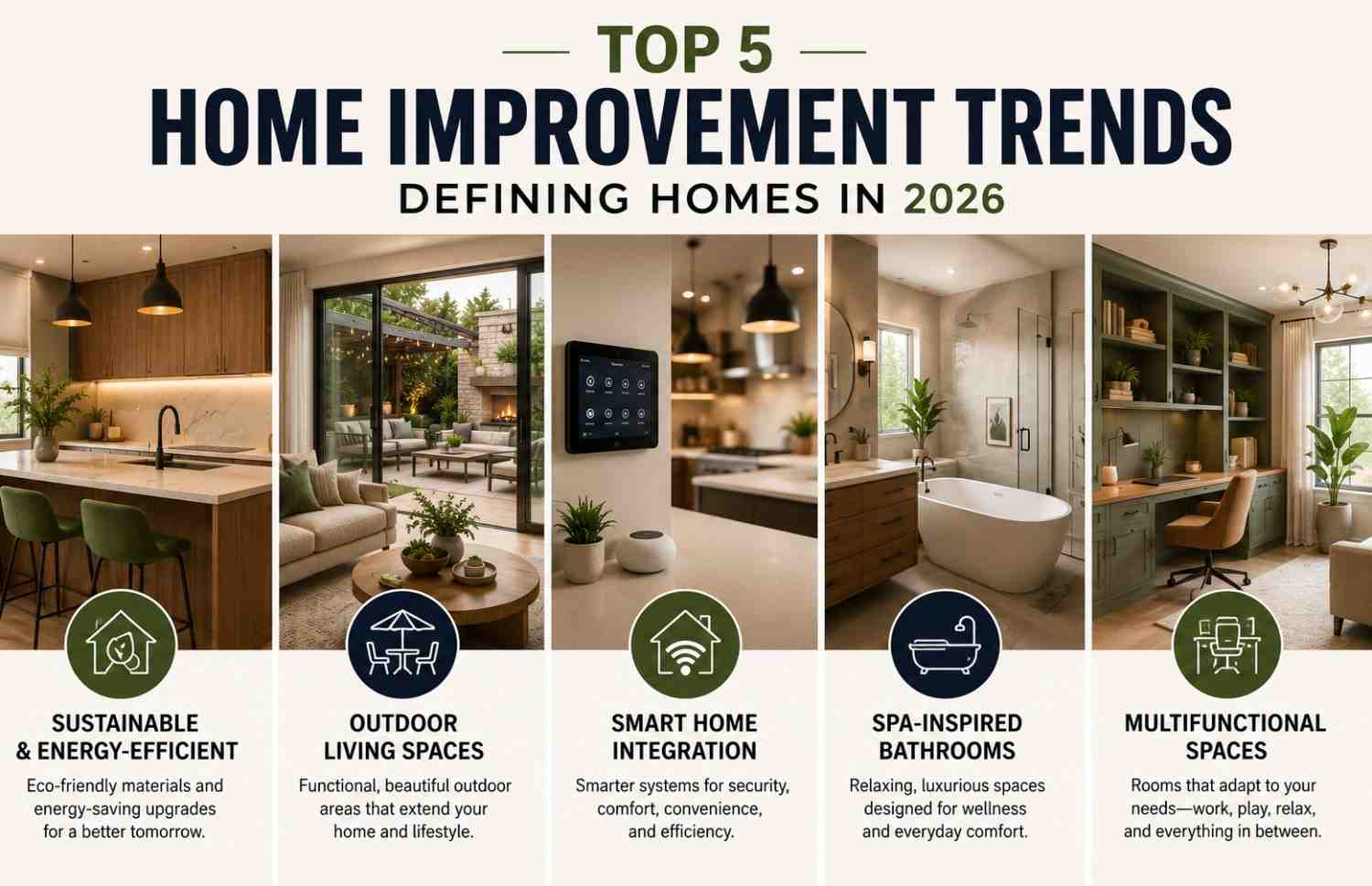
The way we think about our homes has changed dramatically. In 2026, homeowners are no longer just remodeling for aesthetics. They are renovating with purpose. From smarter kitchens to nature-inspired interiors, this year’s biggest home improvement trends reflect a desire for spaces that are functional, sustainable, and deeply personal.
Whether you are planning a full renovation or just looking to refresh a few rooms, here are the top 5 home improvement trends defining homes in 2026.
1. Smart Home Technology: Seamless, Intuitive, and Everywhere
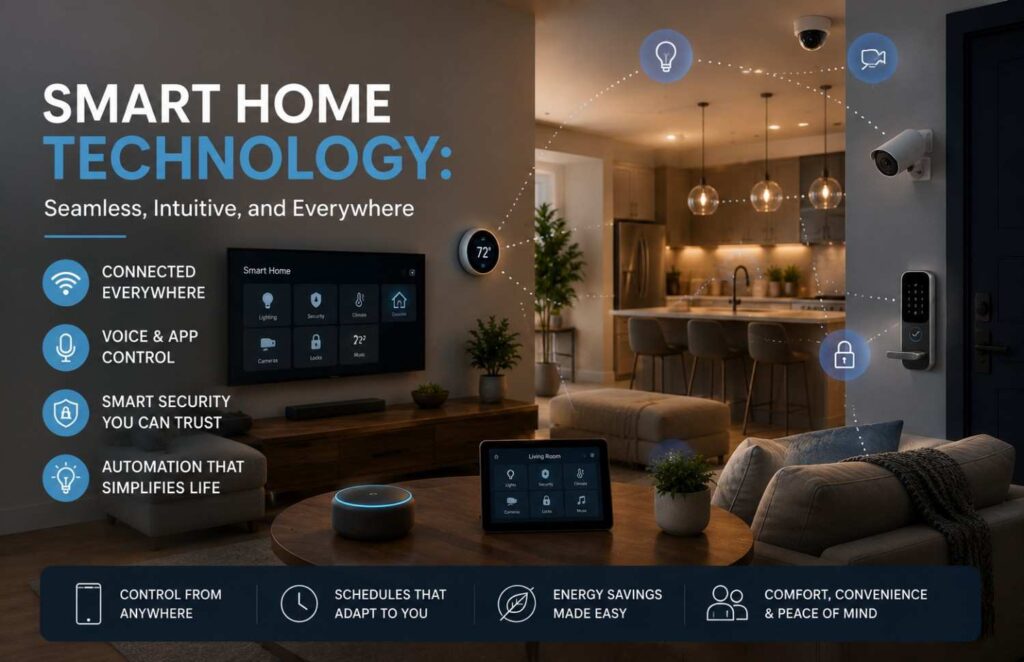
Smart home upgrades have been popular for years, but in 2026 the focus has shifted from flashy gadgets to seamless integration. Homeowners are now investing in hidden charging stations, smart lighting systems, voice-controlled blinds, and connected appliances that work quietly in the background.
Programmable lighting is one of the most in-demand upgrades. It helps set the mood of a room instantly and can even be tied to your daily routine. Smart thermostats, automated security systems, and AI-powered kitchen appliances are also making everyday life significantly more convenient.
Why it matters: Tech-integrated homes are commanding higher resale values. Buyers in 2026 expect smart features as a standard, not a luxury.
Easy starting point: Install a smart lighting kit or a voice-controlled thermostat. Both are beginner-friendly DIY upgrades that make an immediate difference.
2. Biophilic Design: Bringing Nature Indoors
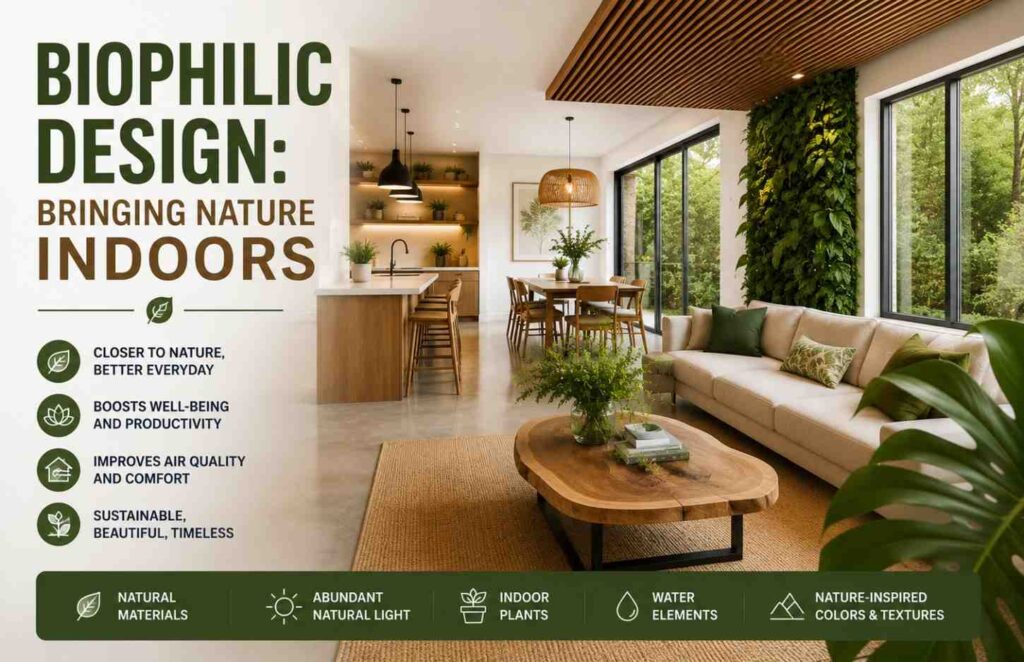
One of the most visually striking trends of 2026 is biophilic design, the art of connecting your living space with the natural world. Think indoor gardens, sunrooms, screened-in patios, large windows that flood rooms with natural light, and organic materials like wood, stone, and rattan.
Earth-inspired color palettes are dominating interiors this year. Clay, terracotta, olive, and sand are replacing the cold grays and stark whites of the previous decade. These tones bring warmth, comfort, and a timeless appeal that pairs beautifully with natural textures.
Why it matters: Studies show that nature-connected spaces reduce stress and improve overall wellbeing, making biophilic design both beautiful and beneficial.
Easy starting point: Swap synthetic decor for natural materials. A jute rug, a wooden shelf, or a cluster of indoor plants can completely transform the feel of a room.
3. Kitchen Remodels: The Heart of the Home Gets a Major Upgrade
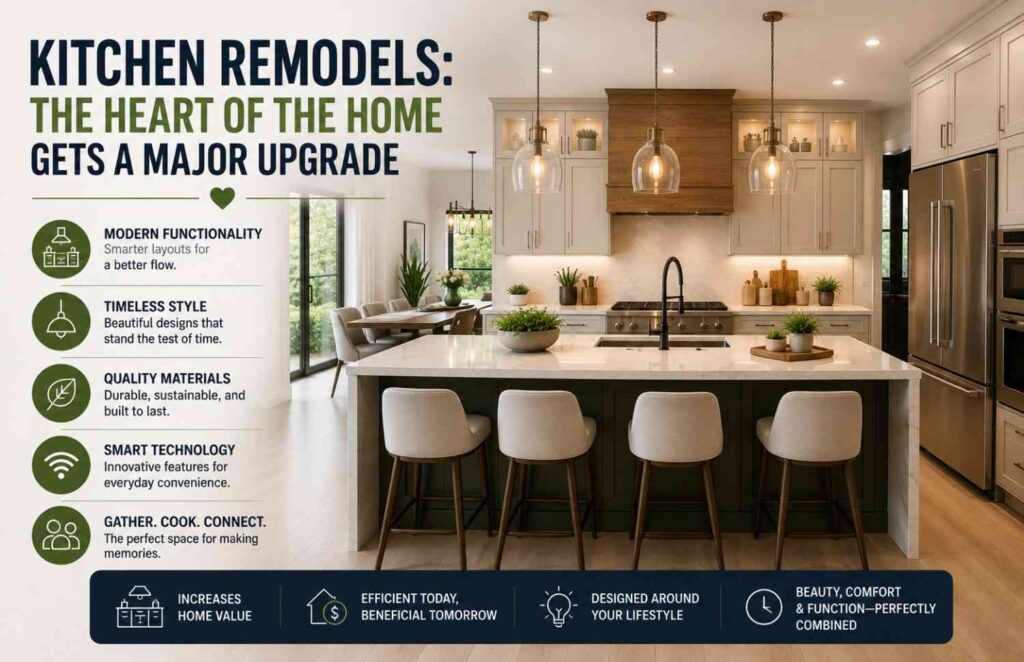
According to a joint report by Thumbtack and Redfin, kitchens are the number one remodel of 2026. Homeowners are investing in multifunctional layouts, smart appliances, custom cabinetry, and premium countertops that make the kitchen both a cooking space and an entertainment hub.
Open-plan kitchens that flow into living and dining areas remain hugely popular. The emphasis is on creating a welcoming, social space where family and friends can gather comfortably. Storage solutions are also a big focus, with pull-out drawers, deep pantry cabinets, and hidden appliance garages all trending strongly this year.
Why it matters: A well-designed kitchen renovation delivers one of the highest returns on investment of any home improvement project.
Easy starting point: Upgrading cabinet hardware, replacing outdated faucets, or adding under-cabinet lighting can give your kitchen a fresh feel without committing to a full remodel.
4. Flexible and Multigenerational Living Spaces
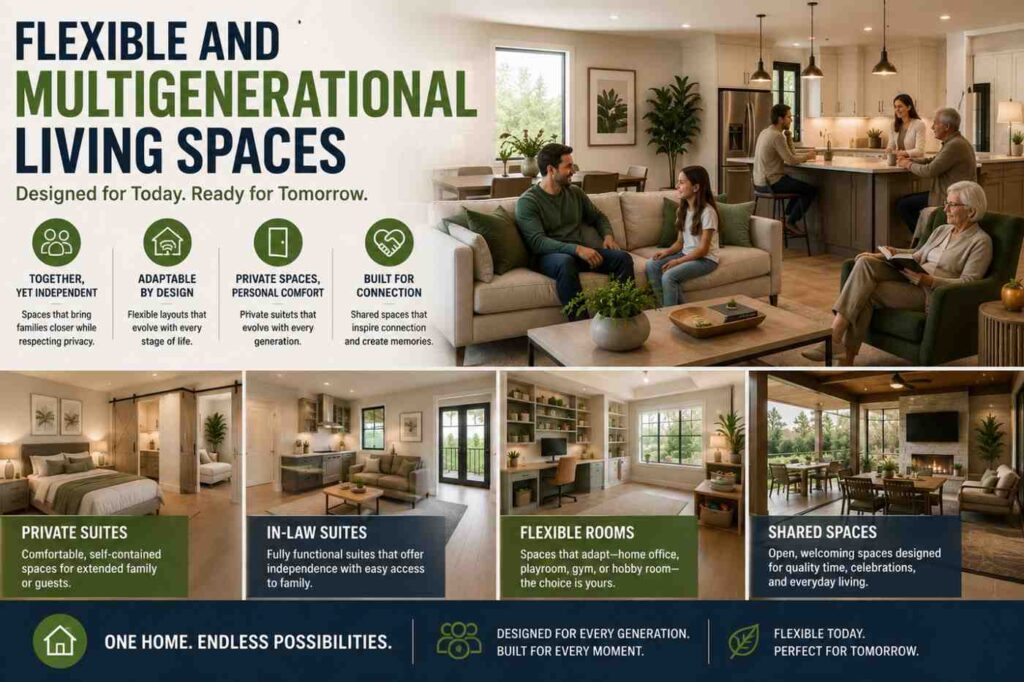
With remote work now a permanent fixture for millions, homeowners are rethinking how their space is used. Dedicated home offices, convertible guest rooms, and multifunctional spaces that can adapt to different needs throughout the day are all in high demand.
Beyond that, multigenerational living is on the rise. Families are adding in-law suites, accessory dwelling units (ADUs), and basement conversions to accommodate aging parents, adult children, or even rental tenants. These flexible layouts support family closeness while also creating income potential.
Why it matters: A space that adapts to your life rather than forcing you to adapt to it is the definition of smart design.
Easy starting point: Even a small room can be transformed into a dual-purpose space with the right furniture. A Murphy bed, a fold-down desk, or modular shelving can make a huge difference.
5. Sustainable and Heritage-Inspired Design
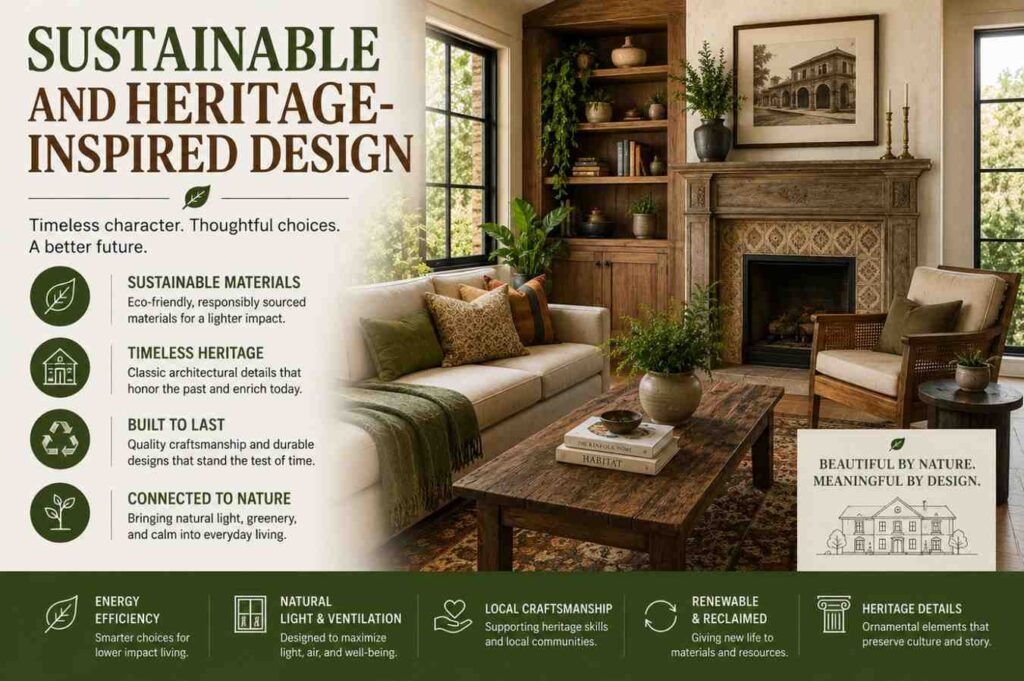
Sustainability is no longer just a buzzword. It is a core principle driving renovation decisions in 2026. Homeowners are choosing eco-friendly materials, energy-efficient upgrades like solar panels and heat pump systems, and low-VOC paints that are better for indoor air quality.
Hand in hand with sustainability is the rise of heritage-inspired and circular design. Rather than replacing furniture, homeowners are restoring and upcycling, reupholstering sofas, refinishing wooden floors, and breathing new life into vintage pieces. Furniture reupholstery has grown by over 60% year over year as more people embrace the beauty and character of restored items.
Why it matters: Sustainable renovations reduce your environmental footprint and often lower long-term energy costs, making them a financial win as well as an ethical one.
Easy starting point: Before you throw anything out, ask whether it can be repaired, refinished, or repurposed. A fresh coat of paint or new upholstery can make an old piece look completely new.
Final Thoughts
The home improvement trends of 2026 share a common thread: intentionality. Whether it is integrating technology thoughtfully, designing for flexibility, or choosing materials that connect us to nature and our heritage, today’s homeowners are making decisions that go beyond surface-level style.
Your home should work for your life, reflect your values, and make every day a little better. With these five trends as your guide, you are well on your way to creating a space that does exactly that.