

When it comes to transforming any living or working space, few elements have the power to create as dramatic an impact as windows and glass features. These architectural components serve far beyond their basic functional purposes, becoming focal points that define the character, atmosphere, and aesthetic appeal of our environments. From sleek contemporary installations to ornate traditional designs, windows and glass elements offer endless possibilities for creating truly stylish and memorable spaces.
The Art of Natural Light Manipulation
The strategic use of windows and glass in interior design revolves around one fundamental principle: maximizing and controlling natural light. Professional designers understand that light shapes our perception of space, influences our moods, and determines how colors and textures appear throughout the day. Large picture windows can flood a room with sunlight, creating an open, airy feeling that makes even modest spaces feel expansive and welcoming.
Floor-to-ceiling windows and glass installations have become increasingly popular in modern architecture, blurring the boundaries between indoor and outdoor living. These dramatic features not only provide stunning views but also create seamless transitions that make spaces feel larger and more connected to their surroundings. The interplay between natural light and carefully selected furnishings creates dynamic environments that change throughout the day, offering constantly evolving visual experiences.
Smart windows and glass technologies now allow homeowners to control light transmission electronically. Electrochromic glass can switch from clear to tinted at the touch of a button, providing privacy and solar control without compromising the clean lines of contemporary design. These innovations represent the perfect marriage of functionality and style in modern living spaces.
You can read this blog also :- https://tidyuphome.com/plank-flooring/
Architectural Styles and Glass Integration
Different architectural styles call for distinct approaches to windows and glass integration. Victorian homes often feature ornate stained glass windows that tell stories through colored patterns and intricate designs. These historical elements add character and charm while filtering light in beautiful, artistic ways that complement period furnishings and decorative elements.
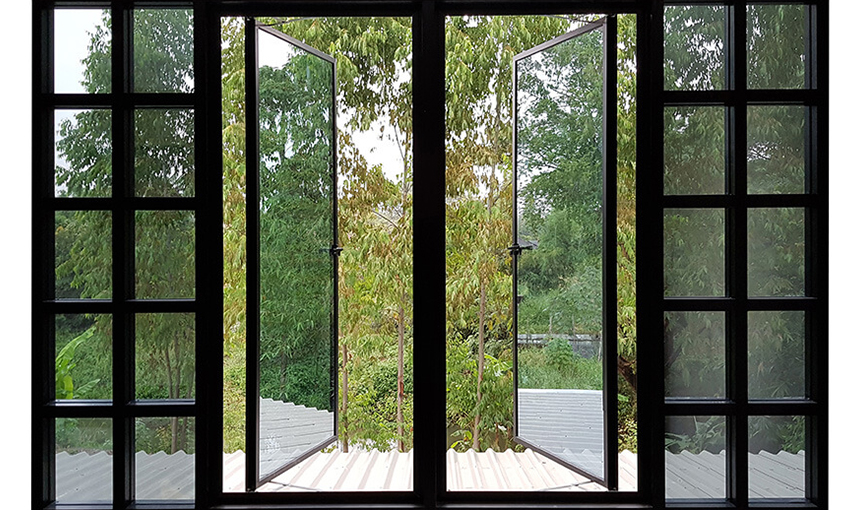
Contemporary minimalist designs favor clean lines and expansive windows and glass surfaces that emphasize simplicity and connection with nature. Large, unadorned windows become works of art in themselves, framing outdoor views like living paintings that change with the seasons. The absence of decorative elements allows the quality of light and the beauty of the surrounding landscape to take center stage. Industrial-style spaces often feature windows and glass elements with metal frames and bold geometric patterns. Steel-framed windows and glass partitions create defined spaces while maintaining visual connectivity throughout loft-style homes and modern offices. These elements add texture and visual interest while supporting the raw, unfinished aesthetic that defines industrial design.
Creative Glass Applications Beyond Traditional Windows
Modern windows and glass design extends far beyond conventional window installations. Glass blocks offer privacy while still allowing light transmission, making them perfect for bathroom applications or creating subtle room divisions. These architectural elements add texture and visual interest while maintaining the open feeling that glass naturally provides.
Skylights represent another innovative approach to windows and glass integration, bringing natural light into spaces where traditional windows aren’t feasible. Modern skylight designs range from simple flat installations to elaborate geometric configurations that create dramatic lighting effects throughout the day. Solar tubes offer similar benefits in smaller spaces, channeling sunlight through reflective tunnels to brighten interior rooms.
Glass partitions and room dividers have revolutionized open-plan living, allowing homeowners to create defined spaces without sacrificing the sense of openness that makes modern homes feel spacious and connected. Frosted windows and glass panels provide privacy while maintaining light flow, creating intimate spaces within larger rooms without the visual weight of solid walls.
Color, Texture, and Decorative Possibilities
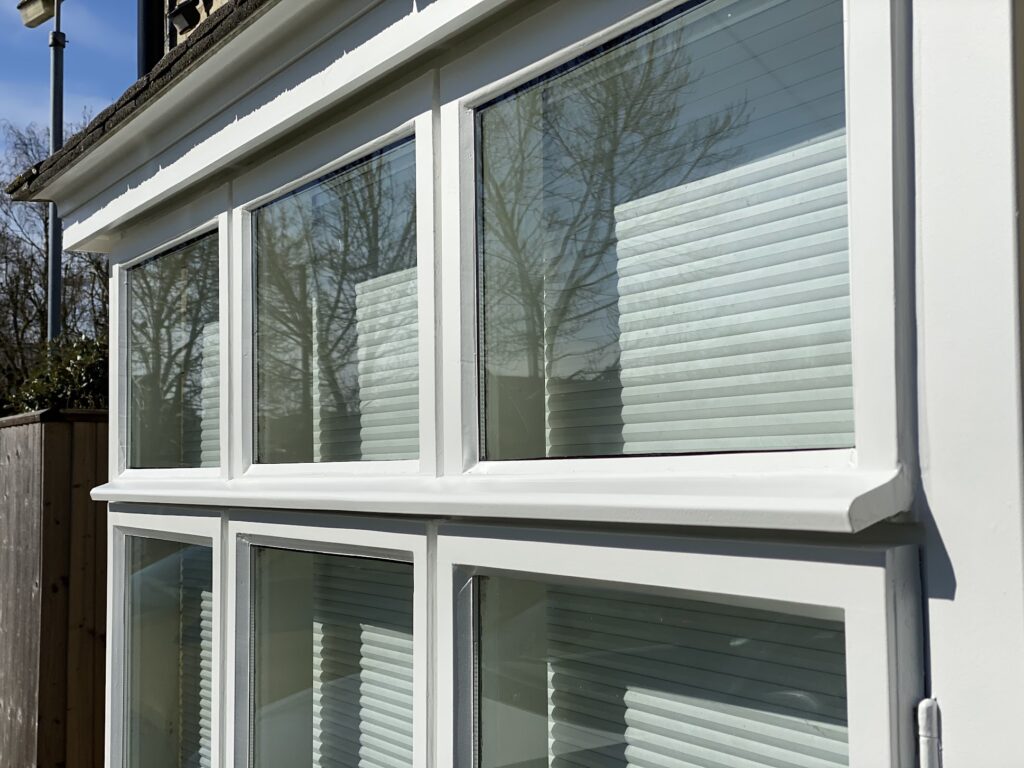
The decorative potential of windows and glass elements extends far beyond clear, transparent installations. Colored glass adds vibrant hues that can turn ordinary rooms into truly extraordinary spaces. Jewel-toned panels cast beautiful colored light throughout the day, creating ever-changing moods and atmospheres that respond to the sun’s movement across the sky.
Textured glass surfaces add visual and tactile interest while providing varying degrees of privacy. Rain glass, seeded glass, and other specialty textures create unique optical effects that enhance both contemporary and traditional design schemes. These windows and glass treatments allow natural light to filter through while obscuring direct views, perfect for maintaining privacy without sacrificing illumination.
Etched and sandblasted glass designs offer opportunities for personalization and artistic expression. Custom patterns, family crests, or abstract designs can be incorporated into windows and glass installations, creating unique focal points that reflect personal style and taste. These treatments work equally well in residential and commercial applications, adding distinctive character to any space.
Energy Efficiency and Environmental Considerations
Modern window and glass designs prioritize energy efficiency without compromising on aesthetic appeal. Double and triple-pane windows with low-emissivity coatings help maintain comfortable interior temperatures while reducing heating and cooling costs. These technological advances allow homeowners to enjoy expansive glass installations without compromising energy efficiency or environmental responsibility.
Proper orientation and sizing of windows and glass elements can significantly impact a building’s overall energy performance. South-facing windows maximize winter solar gain, while strategic overhangs and shading elements prevent overheating during summer months. These passive solar design principles help create comfortable living environments that work with natural climate patterns rather than against them.
Smart glass technologies continue to evolve, offering new possibilities for responsive windows and glass installations that adapt to changing conditions automatically. These systems can adjust transparency, insulation properties, and light transmission based on time of day, weather conditions, or occupant preferences, representing the future of intelligent building design.
Maintenance and Longevity Considerations
Investing in quality windows and glass installations requires understanding proper maintenance and care procedures. Regular cleaning helps preserve optical clarity and prevents mineral buildup that can permanently damage glass surfaces. Professional-grade cleaning products and techniques ensure that installations continue to perform and appear at their best for years to come.
Frame materials significantly impact the longevity and maintenance requirements of windows and glass installations. Vinyl frames offer low maintenance and good insulation properties, while wood frames provide classic beauty but require regular maintenance. Aluminum and fiberglass frames offer durability and minimal maintenance while supporting contemporary design aesthetics.
Weather sealing and proper installation techniques are crucial for maximizing the performance and lifespan of windows and glass elements. Professional installation ensures proper alignment, sealing, and structural support that prevents common problems like air leaks, water infiltration, and operational difficulties that can compromise both function and appearance.
Future Trends in Glass Design
The future of windows and glass design promises exciting innovations that will further expand creative possibilities. Switchable privacy glass that can change from transparent to opaque instantly offers new flexibility in space planning and privacy control. These technologies will become more affordable and accessible, allowing homeowners to incorporate smart glass features throughout their homes.
Integrated technology solutions will transform windows and glass elements into interactive surfaces capable of displaying information, controlling smart home systems, or providing entertainment options. These developments will blur the lines between architectural elements and technological interfaces, creating new possibilities for connected living environments.
Sustainable manufacturing processes and recycled materials will play increasingly important roles in windows and glass production. Environmentally conscious consumers are driving demand for products that minimize environmental impact while delivering superior performance and aesthetic appeal.
Conclusion: Transforming Spaces Through Thoughtful Design
The strategic use of windows and glass elements offers unlimited potential for creating stylish, functional, and inspiring living and working spaces. Whether pursuing contemporary minimalism, classical elegance, or cutting-edge innovation, these architectural components provide the foundation for truly exceptional interior design. By understanding the principles of light manipulation, energy efficiency, and aesthetic integration, homeowners and designers can harness the transformative power of glass to create spaces that are both beautiful and functional, now and for years to come.