
When it comes to protecting your home from water damage, most people think of roofing materials or waterproof paint. But there’s a quiet hero working hard every time it rains, your rain gutter. Often overlooked, this simple component plays a crucial role in keeping your home safe, dry, and structurally sound.
Whether you live in a city with heavy monsoons or a quiet suburb with mild showers, understanding what a rain gutter does and why it matters can help you avoid costly damage and improve the longevity of your property.
What Exactly Is a Rain Gutter?
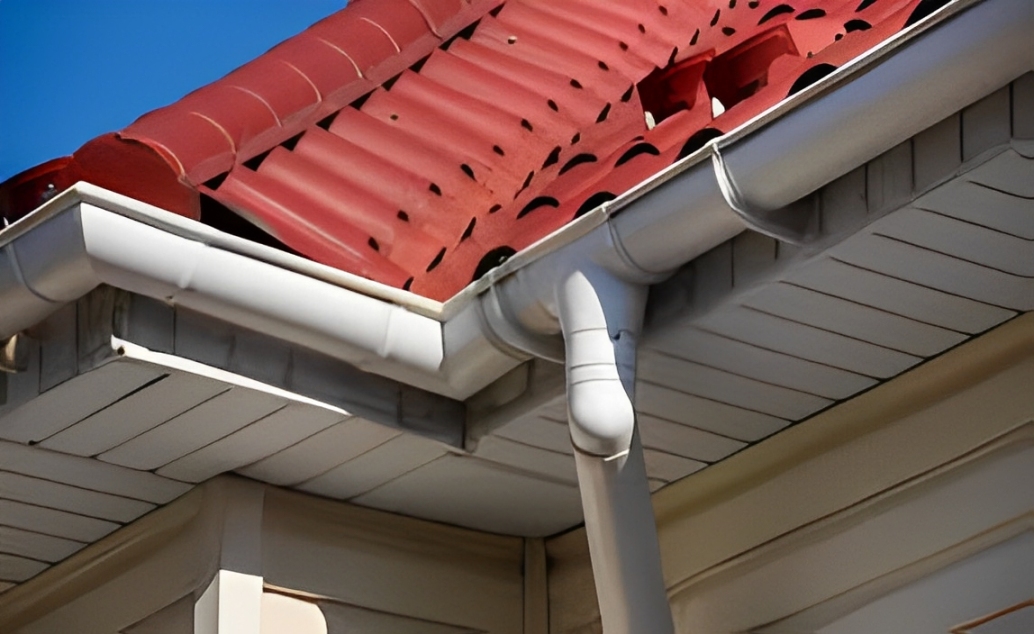
A rain gutter is a narrow channel, typically attached along the edge of your roof, designed to collect and divert rainwater away from your home. It’s part of a larger system that includes downspouts, splash blocks, and ground-level drainage paths. Gutters may be made from a variety of materials, including aluminum, vinyl, steel, and even copper.
How It Works:
- Rainwater hits the roof during a storm.
- Instead of falling straight down and pooling near your foundation, the water runs into the gutter.
- The gutter channels the water into a downspout.
- The downspout directs water safely away from your house, often several feet out or into a proper drainage system.
The system may seem simple, but its impact is massive, especially during heavy rains.
Why Every Home Needs One
While a roof can shield your home from above, a rain gutter protects it from what happens afterward, where the water goes. Here’s why gutters are essential for every home:
1. Prevents Foundation Damage
Water pooling near your foundation can cause the soil to expand and contract, leading to cracks, shifts, and costly structural damage. Gutters reduce the risk by rerouting water away from your foundation.
2. Protects Siding and Walls
Rain that flows directly down your walls can stain your exterior, encourage mold and mildew growth, and eventually wear down the protective layers of your home’s siding.
3. Avoids Basement Flooding
Water that seeps into your basement can damage flooring, walls, and stored items. Properly installed gutters with extended downspouts help prevent this scenario.
4. Preserves Landscaping
Water falling directly from your roof can erode flower beds, wash away mulch, and drown delicate plants. Gutters help maintain the health and structure of your garden and outdoor space.
5. Extends Roof Life
Clogged gutters can back up water onto your roof, leading to wood rot and damage to shingles. With a good gutter system, your roof stays healthier longer.
Types of Rain Gutters
When choosing a rain gutter, consider your home style, local weather, and budget. Here are the common types:
K-Style Gutters
The most popular option. They resemble crown molding and handle a lot of water due to their flat bottoms and backs. Ideal for residential properties.
Half-Round Gutters
Traditional and elegant, these are often found on older or historic homes. While charming in appearance, they don’t handle as much water.
You can read this blog also :- https://tidyuphome.com/cleaning-house/
Box Gutters
Usually used in commercial or large residential buildings. Built into the roof structure, these are robust but harder to install and maintain.
Seamless Gutters
Made from a single piece of material, they reduce the chance of leaks and look more modern. While they cost more upfront, they offer better long-term performance.
Maintenance Matters
A clogged rain gutter is like having no gutter at all, or worse. Overflowing gutters can cause more damage than none, especially during heavy rains.
Essential Maintenance Tips:
- Clean twice a year – Spring and fall are ideal.
- Install gutter guards to prevent leaves and debris buildup.
- Inspect for sagging or rusting sections.
- Ensure downspouts drain away from the foundation, at least 3–5 feet.
Hiring a professional once a year for inspection can also catch early signs of trouble.
Cost vs. Long-Term Value
Average Installation Cost:
- Vinyl Gutters: ₹90–₹150 per foot – affordable but less durable.
- Aluminum Gutters: ₹120–₹200 per foot – great balance of price and durability.
- Copper/Steel Gutters: ₹400–₹800+ per foot – premium look and lifespan.
Other Costs to Consider:
- Downspouts and extensions
- Fascia or soffit repairs
- Gutter guards or covers
Though installation isn’t cheap, the damage prevention makes it worth every penny.
Long-Term Gains:
- Increased property value
- Reduced maintenance and repair costs
- Better energy efficiency and moisture control
- Enhanced curb appeal
Signs You Need New Gutters
Not sure if your gutter system is doing its job? Watch out for these warning signs:
- Peeling paint near the roofline
- Pools of water or erosion around your home’s base
- Cracks in the foundation
- Watermarks or damp spots in the basement
- Detached or sagging gutter sections
- Persistent mold or mildew smells
Addressing gutter issues early can save you major repair bills down the road.
Don’t Forget Design and Aesthetics
Gutters aren’t just functional; they can be fashionable too. From seamless designs to custom-colored aluminum gutters that blend with your trim, there are plenty of options to enhance your home’s look.
Choose a style that complements your architecture, whether modern, rustic, or traditional. You can even find rain chains, decorative alternatives to downspouts, for a more aesthetic appeal in garden areas.
Going Green with Rainwater Harvesting
If you’re looking to make your home more eco-friendly, consider connecting your rain gutter system to a rain barrel. This allows you to collect rainwater for use in:
- Watering your garden
- Washing your car
- Cleaning outdoor furniture or tools
This simple practice reduces water bills and conserves a vital resource, especially in water-scarce areas. Some systems include filters or overflow control, allowing for even more efficiency and cleanliness.
Why Skipping Gutters Is a Risk
In regions with minimal rainfall, some homeowners consider skipping gutters altogether. But that decision can backfire with just one bad storm. Here’s what can happen without gutters:
- Water collects around the foundation, leading to erosion
- Moisture seeps into the basement
- Paint and exterior materials age faster
- Dangerous mold and mildew growth can occur
- Insects and pests are attracted to pooling water
Even a small home with minimal rainfall still benefits from the control a gutter system provides.
Final Thoughts
It’s easy to underestimate the value of a rain gutter, but it truly is one of the unsung heroes of your home’s health. From preventing foundation damage to saving your landscaping and extending the life of your roof, it quietly works behind the scenes, rain or shine. Whether you’re building a new home or upgrading an older one, don’t overlook your drainage system. Choose high-quality materials, stick to a maintenance routine, and consider upgrades like gutter guards or rain barrels for added value.Protect your investment, your family, and your peace of mind with a simple but powerful solution: the humble rain gutter.
2 thoughts on “What Is a Rain Gutter and Why Your Home Needs One”