
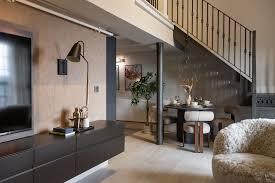
Not every home comes with high ceilings, big rooms, or lots of space. But here’s the good news: you don’t need to break walls or start a big renovation to make your home feel bigger.
With smart design choices, thoughtful styling, and a few clever tricks, even the smallest space can feel open, airy, and surprisingly roomy. You can create the feeling of more space without spending a fortune or dealing with messy construction work.
Whether you live in a small apartment, a cozy house, or simply want your home to feel more open and breathable, this guide will show you how. You’ll learn practical, easy-to-follow ways to visually expand your space, without touching a hammer or hiring a contractor.
Let’s explore these simple but powerful strategies that can transform how your home looks and feels.
1. Let Light Do the Heavy Lifting
Light is the single most powerful tool when it comes to making a space feel larger. A well-lit room automatically feels more open, fresh, and welcoming than a dark one.
Maximize Natural Light
Natural sunlight is free and incredibly effective at opening up any space. Here’s how to make the most of it:
- Keep windows clear of heavy curtains or bulky blinds that block light
- Choose sheer or light-colored drapes that let sunlight flow through easily
- Avoid placing large furniture directly in front of windows
- Clean your windows regularly to let maximum light in
- Consider removing window treatments entirely if privacy isn’t a concern
A room filled with natural light instantly feels open, fresh, and much more spacious than one with covered or blocked windows.
Layer Artificial Lighting
Instead of relying on just one ceiling light, create layers of lighting throughout your room. This approach eliminates dark corners and makes rooms feel deeper and wider.
Use these three types of lighting:
Ambient lighting: Main ceiling lights that provide overall illumination
Task lighting: Lamps, under-cabinet lights, and desk lights for specific activities
Accent lighting: Wall lights, LED strips, and decorative lights that highlight features
Multiple light sources work together to brighten every corner, making your space feel much larger and more inviting.
2. Choose a Light and Cohesive Color Palette
Color can visually push walls outward or pull them inward. The colors you choose have a huge impact on how big or small your space feels.
Stick to Light, Neutral Shades
Light colors reflect more light and create the illusion of more space. The best colors for making rooms feel bigger include:
- Whites and off-whites
- Creams and ivories
- Soft beiges and tans
- Light greys
- Pale pastels like soft blue, mint, or blush
Dark colors absorb light and can make walls feel like they’re closing in. Save darker shades for accent pieces rather than main walls.
Use One Color Family Throughout
Keeping walls, furniture, and décor within the same color family reduces visual breaks. This makes the room feel more continuous and open, rather than chopped up into smaller sections.
Pro tip: Paint your walls, ceiling, and trim in similar tones to blur the boundaries between them. This trick increases the perception of height and makes rooms feel taller and more spacious.
3. Mirrors: Your Secret Space-Expanding Weapon
Mirrors are like magic for small spaces. They don’t just reflect your room—they visually double it, making spaces feel much larger than they actually are.
Best Ways to Use Mirrors
- Place a large mirror directly opposite a window to reflect natural light and outdoor views
- Use mirrored wardrobe doors or large mirrored panels on walls
- Lean a tall mirror against a wall to enhance the feeling of height
- Hang mirrors in narrow hallways to make them feel wider
- Use multiple smaller mirrors arranged as wall art for decorative impact
Mirrors create depth, bounce light around the room, and instantly make spaces feel twice as big. They’re one of the most affordable and effective ways to expand your space visually.
4. Furniture That Fits the Space (Not Overpowers It)
Oversized furniture can suffocate a room and make it feel cramped. Choosing the right size and style of furniture makes a huge difference.
Go for Sleek, Raised Designs
Furniture with exposed legs (rather than pieces that sit flat on the floor) allows you to see more floor space underneath. This creates a sense of openness and airiness. The more floor you can see, the bigger your room feels.
Look for sofas, chairs, beds, and tables with visible legs that lift the furniture off the ground.
Choose Multi-Functional Pieces
When space is limited, furniture that serves multiple purposes is your best friend. Consider these smart options:
- Storage ottomans that provide seating and hidden storage
- Sofa beds for guests without needing a separate guest room
- Extendable dining tables that expand when you have company
- Nesting tables that tuck away when not needed
- Coffee tables with built-in storage compartments
Less furniture doing more work equals more breathing room in your home.
Scale Matters
Always measure your space before buying furniture. A compact sofa that fits well looks much better than a large one squeezed awkwardly into a small room. Furniture that’s properly scaled to your room makes the entire space feel more balanced and open.
5. Declutter Ruthlessly (Yes, It Really Matters)
Clutter makes any space feel cramped and chaotic, no matter how stylish your furniture or how nice your paint colors are. A cluttered room always feels smaller than a tidy one.
Follow the “Visible Space Rule”
The more surface area you can see, floors, walls, countertops, tabletops- the larger your home will feel. When surfaces are covered with stuff, your brain registers the space as smaller and more cramped.
Smart Storage Solutions
The key is to store more and display less. Here are some effective storage ideas:
- Built-in storage that uses wall space efficiently
- Vertical shelves that go upward instead of outward
- Under-bed drawers for seasonal clothing and extra linens
- Wall-mounted cabinets that keep floors clear
- Closet organizers that maximize vertical space
- Baskets and bins for corralling small items
Get rid of things you don’t use or need. The less you own, the more spacious your home will feel.
6. Let Floors Flow Freely
Your flooring plays a huge role in how spacious your home feels. The right flooring choices can make rooms feel much more open and connected.
Use One Flooring Type Throughout
Using the same flooring material throughout your home creates visual continuity. This makes the space feel larger because your eye isn’t interrupted by different materials or colors. The home flows from room to room seamlessly.
Light-Colored Floors Work Best
Light wood, beige tiles, light grey vinyl, or soft neutral finishes reflect light and enhance the feeling of openness. Dark floors can make rooms feel smaller and heavier.
Expose More Floor
Avoid using too many small rugs that chop up the floor into sections. One properly sized rug can define a space without making it feel smaller. If you use rugs, make sure they’re large enough to fit under the front legs of your furniture, which makes the room feel more cohesive and larger.
7. Vertical Space Is Underrated, Use It Wisely
When you don’t have much floor space, the solution is to look up and use your vertical space more effectively.
Draw the Eye Upward
Using vertical elements makes ceilings appear higher, and rooms feel taller. Try these ideas:
- Tall bookshelves that reach toward the ceiling
- Floor-to-ceiling curtains instead of short ones
- Vertical wall panels or tall artwork
- Tall indoor plants that add height
- Vertical striped wallpaper or paint patterns
This creates the illusion of higher ceilings, which makes the entire room feel more spacious.
Hang Curtains Higher
Mount your curtain rods closer to the ceiling instead of just above the window frame. This simple trick makes your walls appear taller instantly. The longer curtain panels draw the eye upward and create the feeling of higher ceilings.
8. Open Up Sightlines
The more you can see across a space without obstruction, the bigger it feels. Clear sightlines are essential for creating a sense of openness.
Keep Visual Pathways Clear
- Avoid blocking doorways or entrances with furniture
- Use open shelving instead of closed, bulky cabinets
- Choose glass or clear acrylic furniture pieces that you can see through
- Arrange furniture so you can see from one end of the room to the other
- Keep hallways clear and unobstructed
Even small apartments benefit greatly from uninterrupted sightlines that let your eye travel freely through the space.
9. Use Patterns, But Strategically
Patterns can either expand your space or make it feel smaller, depending on how you use them.
Go Big or Go Simple
Large, simple patterns feel less busy and overwhelming than small, cluttered ones. If you want to use patterns, choose bigger designs that don’t compete for attention.
- Vertical stripes add perceived height to walls
- Horizontal stripes can widen narrow rooms
- Large geometric patterns feel modern and spacious
Limit Pattern Overload
Stick to one or two patterned statement elements and keep everything else simple and subtle. Too many different patterns in one space create visual chaos that makes rooms feel smaller and more cramped.
10. Doors Matter More Than You Think
Traditional swinging doors take up valuable visual and physical space. They need clearance to open, which limits furniture placement and makes rooms feel more closed off.
Opt for Space-Saving Alternatives
Consider these door options that save space:
- Sliding doors that glide along the wall
- Pocket doors that slide into the wall cavity
- Glass panel doors that allow light to pass through
- Barn-style doors for a stylish, space-saving look
- Removing unnecessary interior doors entirely
These alternatives allow light to move freely between rooms and open up your space without sacrificing privacy where you need it.
11. Keep Décor Minimal but Meaningful
Too many decorative items create visual noise and clutter that makes spaces feel smaller. Less is truly more when it comes to making your home feel spacious.
Curate, Don’t Crowd
Choose a few statement pieces that you really love instead of filling every surface with many small decorative items. Quality over quantity makes a bigger impact and keeps your space feeling open.
Use Reflective and Natural Materials
Certain materials naturally make spaces feel lighter and more open:
- Glass tabletops and shelves
- Metal fixtures and frames
- Ceramic vases and bowls
- Natural textures like wood, linen, and cotton
- Reflective surfaces that bounce light
These materials keep spaces feeling light, airy, and breathable rather than heavy and closed in.
12. Create Zones Without Walls
You don’t need actual walls to define different areas in your home. You can create separate zones while maintaining an open, spacious feeling.
How to Zone Smartly
- Use area rugs to separate living areas from dining areas
- Use different lighting to define activity zones
- Arrange furniture to create natural pathways and separate spaces
- Use open bookcases as room dividers
- Change wall colors subtly between areas
Defined zones make your home feel organized and purposeful rather than cramped and confusing.
13. Keep It Consistent Throughout
Consistency creates calm, and calm spaces always feel more spacious. A home with a clear, consistent style feels larger than one with many different, competing styles.
Create Visual Harmony
- Match hardware finishes across rooms (all brass, all silver, etc.)
- Use similar tones and colors throughout your home
- Avoid mixing too many different design styles in one space
- Maintain a clear design language that flows from room to room
A cohesive home always feels larger and more pulled together than a visually chaotic one where every room looks completely different.
Final Thoughts: Space Is a Feeling, Not Just Square Footage
Making your home feel bigger isn’t about tearing walls down or adding square footage; it’s about how you use light, color, furniture arrangement, and visual flow. When you design thoughtfully with these principles in mind, even the smallest home can feel open, welcoming, and genuinely comfortable.
Small changes can make a big difference. Start with one or two strategies from this guide and gradually implement more as you go. You’ll be amazed at how much more spacious your home feels without any major construction or huge expense.
Because at the end of the day, a spacious home isn’t measured in square feet, it’s measured in how comfortable, open, and peaceful it makes you feel. And that’s something you can achieve in any size home with the right approach.
Your home should be your sanctuary, a place where you feel relaxed and at ease. With these simple strategies, you can create that feeling of spaciousness and calm, no matter how many square feet you’re working with.