
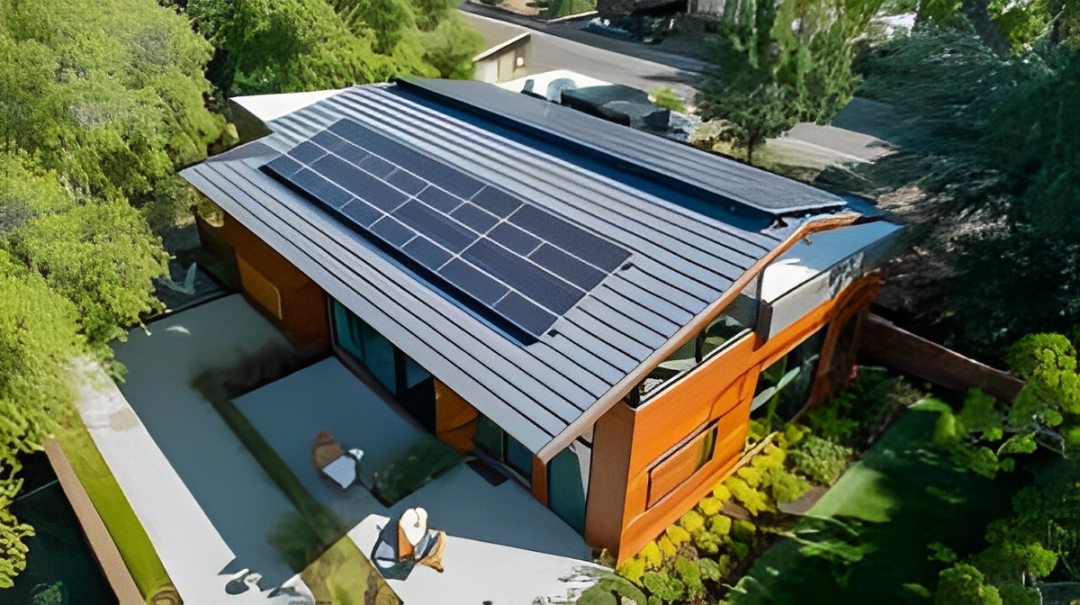
Your roof is one of your home’s most critical components, silently standing guard against rain, snow, wind, and scorching sun day after day. Yet it’s often the most neglected part of home maintenance until problems become impossible to ignore. A leaky ceiling or damaged shingles can quickly transform from a minor inconvenience to major financial burden. Implementing smart maintenance roof strategies protects not only your home’s structural integrity but also your family’s comfort and your long-term investment.
Understanding Your Roof’s Role in Home Protection
Most homeowners take their roof for granted until something goes wrong. This protective barrier does far more than simply keep rain out, it regulates temperature, prevents moisture infiltration, supports structural stability, and significantly impacts your home’s energy efficiency. When your roof fails, the consequences cascade throughout your entire home, potentially affecting everything from your foundation to your personal belongings.
The financial implications of roof neglect are staggering. A small leak that costs $200 to repair today can become a $15,000 replacement project if left unaddressed. Water damage spreads quickly through insulation, drywall, and structural components, creating expensive problems that extend far beyond the roof itself. Insurance companies increasingly scrutinize roof maintenance records, sometimes denying claims for damage that could have been prevented through proper care.
Modern roofing systems are engineered to last decades when properly maintained, but even the highest-quality materials deteriorate without regular attention. Understanding this reality empowers homeowners to take proactive steps that extend roof life and prevent costly emergencies.
You can read this blog also :- https://tidyuphome.com/cleaning-house/
Seasonal Roof Inspection Strategies
Effective roof maintenance begins with regular inspections that catch problems before they become disasters. Each season presents unique challenges that require specific attention and preparation.
Spring inspections focus on winter damage assessment. Cold temperatures, ice dams, and freeze-thaw cycles can wreak havoc on roofing materials. Look for loose or missing shingles, damaged flashing around chimneys and vents, and signs of ice dam damage along roof edges. Spring is also ideal for cleaning gutters and downspouts, removing debris that accumulated during winter months.
Summer inspections should emphasize heat-related damage and storm preparation. Extreme temperatures can cause shingles to crack, warp, or lose granules. Check for signs of thermal expansion damage, ensure adequate ventilation to prevent heat buildup, and trim overhanging tree branches that could fall during summer storms.
Fall preparation is crucial for winter readiness. Remove leaves and debris from gutters and roof surfaces, inspect and repair caulking around penetrations, and ensure proper attic insulation and ventilation. Fall is also the ideal time to address any repairs identified during summer inspections before winter weather arrives.
Winter maintenance focuses on monitoring and immediate problem response. While it’s generally unsafe to perform major roof work in winter conditions, homeowners should watch for ice dam formation, ensure proper attic ventilation, and address any emergency leaks promptly.
Gutter Systems: Your Roof’s First Line of Defense
Gutters and downspouts play a crucial role in roof protection by directing water away from your home’s foundation and preventing water backup that can damage roofing materials. Clogged gutters create numerous problems, including ice dams, water overflow that damages siding and landscaping, and increased weight that can pull gutters away from the house.
Regular gutter cleaning is essential, typically required twice yearly in most climates. Homes surrounded by trees may need more frequent cleaning, while those in relatively tree-free areas might require less attention. Signs that gutters need attention include water overflow during rainstorms, sagging gutter sections, and plant growth in gutter channels.
Gutter guards can reduce maintenance requirements, but they’re not maintenance-free solutions. Even the best gutter protection systems require periodic cleaning and inspection to ensure proper function. Consider your local climate, surrounding vegetation, and maintenance preferences when deciding whether gutter guards are worthwhile for your situation.
Professional vs. DIY Maintenance Tasks
Understanding which maintenance roof tasks you can safely handle yourself versus those requiring professional expertise helps you maintain your roof cost-effectively while ensuring safety and quality results.
Homeowners can safely perform many routine maintenance tasks from ground level. These include visual inspections using binoculars, gutter cleaning with proper ladder safety, removing debris from roof surfaces using a leaf blower, and checking attic spaces for signs of leaks or ventilation problems.
However, certain tasks require professional expertise and equipment. Walking on steep or wet roofs presents serious safety risks that most homeowners shouldn’t attempt. Electrical work around roof-mounted equipment, structural repairs, and complex flashing work require specialized knowledge and tools. Professional roofers also carry insurance that protects homeowners from liability if accidents occur during maintenance work.
The key is developing a maintenance strategy that combines cost-effective DIY tasks with professional services for complex or dangerous work. This approach maximizes both safety and financial efficiency while ensuring your roof receives proper care.
Identifying and Addressing Common Roof Problems
Early problem identification prevents minor issues from becoming major expenses. Understanding common roof problems helps homeowners recognize warning signs and take appropriate action quickly.
Missing or damaged shingles are among the most obvious roof problems. Wind, hail, and age can cause shingles to crack, curl, or blow away entirely. While a few missing shingles might seem minor, they expose underlying materials to water damage and should be addressed promptly.
Flashing problems around chimneys, vents, and roof penetrations cause many roof leaks. Flashing is the metal or rubber material that seals joints and transitions in roofing systems. Age, weather, and thermal expansion can cause flashing to separate, crack, or deteriorate, creating pathways for water infiltration.
Moss and algae growth might seem purely aesthetic, but they can actually maintenance roof materials over time. Moss retains moisture and can lift shingles, while algae can cause discoloration and degradation. Both problems are more common in humid climates and shaded roof areas.
Granule loss from asphalt shingles is normal with age, but excessive granule loss indicates accelerated wear that might require professional assessment. Check gutters for excessive granule accumulation, which can indicate shingle deterioration.
Ventilation and Insulation: Hidden Maintenance Factors
Proper attic ventilation and insulation significantly impact roof longevity and performance. These systems work together to regulate temperature and moisture levels that directly affect roofing materials.
Inadequate ventilation causes heat buildup that can prematurely age shingles and increase cooling costs. In winter, poor ventilation contributes to ice dam formation when warm air melts snow on the roof, which then refreezes at the cooler maintenance roof edge.
Insulation problems can create similar issues while also impacting energy efficiency. Insufficient insulation allows conditioned air to escape, forcing heating and cooling systems to work harder. Conversely, excessive insulation can block ventilation pathways, creating moisture problems.
Regular attic inspections should include checking ventilation pathways, ensuring insulation hasn’t shifted or become compressed, and looking for signs of moisture infiltration or pest activity. These seemingly minor issues can significantly impact roof performance and longevity.
Creating a Long-Term Maintenance Plan
Successful maintenance roof strategies require consistent, long-term planning rather than reactive responses to problems. Developing a comprehensive maintenance schedule helps ensure nothing gets overlooked while spreading costs over time.
Document your roof’s age, material type, and maintenance history. This information helps predict future needs and can be valuable for insurance claims or home sales. Keep receipts for all maintenance work and take photos of your roof’s condition over time.
Budget for ongoing maintenance roof costs, typically 1-3% of your home’s value annually for all maintenance needs. Roofing maintenance might represent 20-30% of this budget, depending on your roof’s age and condition.
Consider establishing relationships with trusted roofing professionals before you need emergency services. Having a reliable contractor who knows your roof’s history can save time and money when problems arise.
Technology and Modern Maintenance Solutions
Modern technology offers new tools for maintenance roof that can improve both safety and effectiveness. Drone inspections allow detailed roof assessment without safety risks, while thermal imaging can identify hidden leaks and insulation problems.
Smart home technology increasingly includes roof monitoring systems that alert homeowners to potential problems like leaks or ice dams. While these systems require initial investment, they can prevent costly damage by enabling rapid response to developing problems.
Weather monitoring apps and services help homeowners prepare for severe weather events and schedule maintenance roof during optimal conditions. Understanding local weather patterns helps optimize maintenance timing and emergency preparedness.
Conclusion
Protecting your roofing investment requires consistent attention, proper planning, and smart decision-making about when to tackle tasks yourself versus hiring professionals. By implementing comprehensive maintenance roof strategies that address both routine upkeep and long-term planning, homeowners can maximize their roof’s lifespan while minimizing unexpected expenses.Remember that maintenance roof is an investment in your home’s overall value and your family’s comfort. The time and money spent on regular upkeep pale in comparison to the costs of major repairs or premature replacement. Start developing your maintenance roof plan today, and your roof will continue protecting your home for decades to come.