
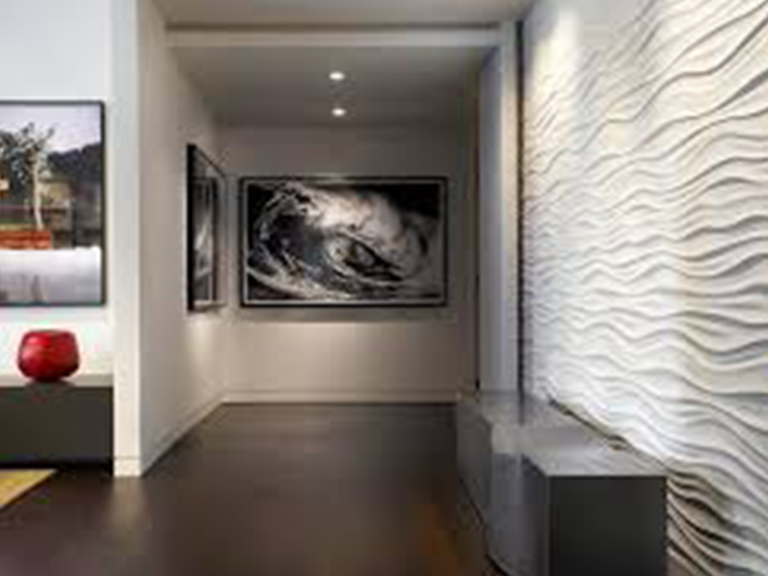
The walls surrounding us every day have incredible potential to influence our mood, perception of space, and overall enjoyment of our homes. While many homeowners focus on paint colors and furniture, the drywall texture of your walls can make an equally dramatic impact on your interior design. It offers an affordable way to add depth, character, and visual interest to any room, transforming flat, boring surfaces into dynamic focal points that reflect your style.
Why Wall Texture Matters More Than You Think
Smooth drywall texture has dominated modern construction for decades, but textured drywall offers advantages that go beyond aesthetics. Texture adds visual depth that can make rooms feel larger and more dynamic. It also hides minor imperfections, nail holes, and settling cracks that are glaringly obvious on smooth walls.
From a design perspective, drywall texture creates shadow play that evolves throughout the day as natural light moves across surfaces. This dynamic quality adds life to your rooms, making them feel more engaging and less sterile. Additionally, certain drywall texture can even improve acoustics by reducing echo and sound reflection. The psychological impact of texture is also worth noting. Rough, organic textures can evoke warmth and comfort, while sleek or geometric textures bring a sense of sophistication. Choosing the right texture helps set the tone and atmosphere for each space.
You can read this blog also :- https://tidyuphome.com/pest-control-pricing/
Classic Texture Techniques That Never Go Out of Style
Orange peel texture remains one of the most versatile options. Its subtle, dimpled look works well in bedrooms, dining areas, and family rooms. It adds gentle dimension without stealing attention from other design elements.
Knockdown texture takes orange peel a step further. By flattening peaks slightly after application, it creates a flowing, irregular pattern—ideal for rustic or Mediterranean-inspired interiors. While it requires more skill to apply, the visual impact is worth it. Skip trowel texture, with its natural stone-like appearance, gives walls a Mediterranean villa vibe. Applied with sweeping motions of a trowel, this style works well in entryways or statement walls drywall texture where you want a bold, artistic finish.
Modern Texture Approaches for Contemporary Homes
Today’s minimalist homes benefit from refined texture choices. For example, drywall texture offers barely-there graininess that enhances without overwhelming. It’s perfect for modern spaces looking for a touch of warmth. Geometric and patterned textures are rising in popularity. With stencils or specialized tools, homeowners can create diamond, chevron, or hexagonal designs. These patterns bring artistic flair to otherwise simple walls. If you want something truly unique, ombré drywall texture transitions from smooth to textured, offering a modern gradient effect. Though advanced to apply, it results in walls that look like large-scale artwork.
Venetian plaster finishes are another elegant option. Though not technically a drywall texture, they’re applied over drywall to mimic marble or stone, ideal for high-end homes or luxury finishes.
Room-Specific Texture Considerations
Different rooms call for different textures. In living rooms, you can go bold with knockdown or skip trowel for a warm, communal vibe. In bedrooms, subtler styles like orange peel or light sand help promote calm and rest. Bathrooms and kitchens require textures that can handle moisture and allow for easy cleaning. Lighter textures or smooth drywall texture finishes are best here. For home offices, consider textures that reduce echo, like light knockdown. They improve sound control while adding professionalism and polish.
DIY vs. Professional Application
Can you apply texture yourself? Yes, for simpler styles. Orange peel and light sand textures are relatively DIY-friendly with the right tools and patience.
However, knockdown, skip trowel, or intricate patterns often require a professional hand. Mistakes with drywall compound can be hard to correct and might require full rework. If you’re aiming for precision, a contractor will save time and stress.
Maintenance and Longevity of Textured Walls
While beautiful, drywall texture needs special care. Dust tends to settle in crevices, so use a vacuum brush or soft duster. Avoid scrubbing with abrasive materials. When repainting, use rollers with a thick nap to get into grooves. Textured walls often need more paint than flat ones, budget about 25% extra. Repairing textured walls is tricky. Always keep notes or photos of the original texture in case future repairs are needed. For best results, let a professional handle patchwork on complex textures.
Color and Lighting: Partners in Texture Design
Light plays a big role in how textures are perceived. Light-colored paint tones down strong textures; dark paint brings them out. If your room gets strong sunlight or has directional lighting, textured walls will shift beautifully throughout the day. Add sconces or uplighting to highlight the raised patterns, turning them into artistic features. Proper lighting makes textures more noticeable and dramatic.
Trending Textures for 2025 and Beyond
Newer trends favor natural and understated finishes. Micro-textures, small, fine patterns, are perfect for minimalist designs. They provide interest without fuss. Incorporating metallic flecks into drywall compound is another hot trend. It catches light and makes walls shimmer subtly, great for formal dining spaces or foyers. Biophilic design is also influencing textures. Think bark-like finishes or soft wave patterns that mimic nature and enhance well-being in indoor environments.
Planning Your Texture Project
Start by browsing texture samples and evaluating how they’ll work with your space. Consider room size, furniture placement, and lighting. Budget for materials, tools, paint, and potential cleanup. And if this is your first time working with textures, test it in a small space like a closet before applying it across your entire living room.
Conclusion
Textured drywall isn’t just a trend; it’s a lasting way to add personality and dimension to your home. From soft and subtle to bold and artistic, drywall texture choices can dramatically change how a space feels and functions. Whether you opt for a timeless knockdown or experiment with modern stenciled patterns, textured walls are an accessible upgrade with big visual rewards. Just be sure to plan well, match the style to the room’s function, and consider professional help when needed.
Your walls are more than just boundaries; they’re blank canvases ready to become part of your design story.