
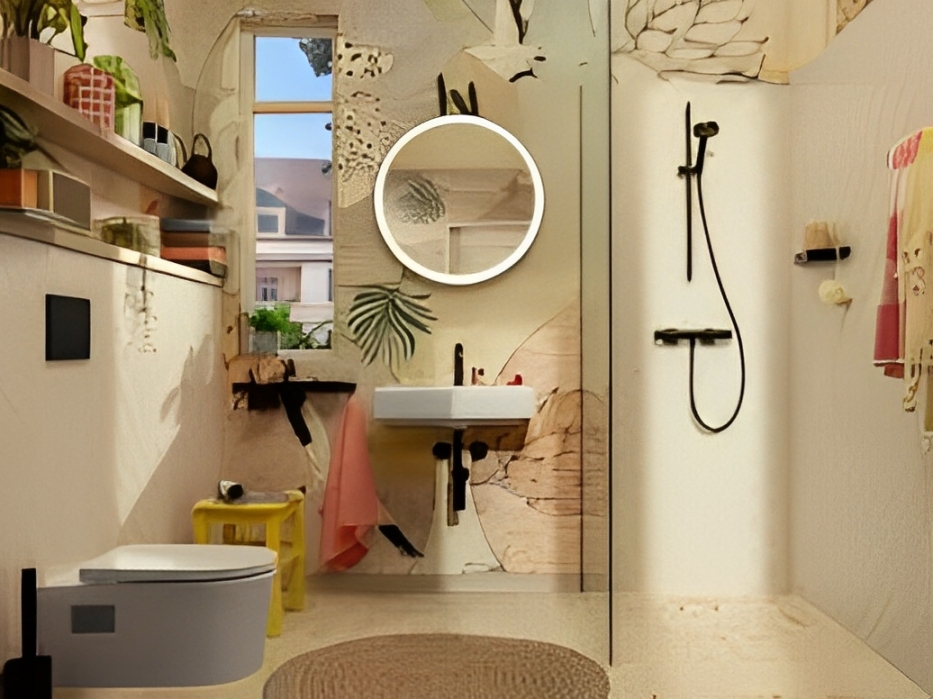
Embarking on a DIY bathroom remodel is an empowering way to refresh your home while saving money and adding personal flair. Whether you’re tackling a small bathroom renovation, a bathroom replacement, or a bathroom shower remodel, this guide will walk you through the process with practical tips, creative ideas, and expert advice. If you’re searching for DIY Bathroom remodelers near me, why not become your own remodeler? With the right plan, tools, and mindset, you can achieve a stunning bath renovation that rivals professional results. Let’s dive into this 800-word journey to create a bathroom that’s both functional and fabulous.
Why Choose a DIY Bathroom Remodel?
A DIY bathroom remodel offers unmatched flexibility to customize your space. From choosing tiles that reflect your personality to reconfiguring layouts for better flow, you control every detail. Plus, doing it yourself can save thousands compared to hiring bathroom remodelers near me. For small bathroom renovations, DIY is especially appealing since space constraints demand creative, tailored solutions. Whether it’s a full bathroom replacement or a targeted bathroom shower remodel, the satisfaction of transforming your space is unbeatable.
Before starting, assess your skills. Basic plumbing, tiling, and drywall work are manageable with research and patience, but complex electrical or structural changes may require professional help. Let’s break down the steps to ensure your bath renovation is a success.
Step 1: Plan Your Bathroom Remodel
Every great DIY Bathroom remodel begins with a solid plan. Start by defining your goals. Are you aiming for a sleek, modern bathroom shower remodel or a complete bathroom replacement? For small bathroom renovations, prioritize space-saving features like wall-mounted vanities or corner showers. Sketch your layout, measure your space, and create a budget. Expect to spend $5,000–$15,000 on a DIY remodel, depending on materials and scope.
Research local building codes, especially for plumbing and electrical work, to avoid costly mistakes. Gather inspiration from platforms like Pinterest or home design blogs, but ensure your vision aligns with your skill level. For example, installing a glass shower enclosure for a bathroom shower remodel looks stunning but requires precise measurements and cutting.
Step 2: Gather Tools and Materials
A successful DIY bathroom remodel hinges on having the right tools. Essentials include a tile cutter, drill, level, trowel, and plumbing wrenches. For materials, prioritize durability and style. Ceramic or porcelain tiles are budget-friendly and water-resistant, ideal for a bath renovation. For DIY Bathroom renovations, opt for light-colored tiles to make the space feel larger.
Shop at local hardware stores or online retailers for deals on fixtures like faucets, showerheads, and vanities. Consider eco-friendly options, such as low-flow toilets or LED lighting, to save on utilities long-term. If you’re replacing old fixtures during a bathroom replacement, check for water damage or mold behind walls to address issues early.
Step 3: Demolition and Prep Work
Demolition is where the fun begins! Before swinging a sledgehammer, turn off water and electricity to the bathroom. Remove old fixtures, tiles, and drywall carefully to avoid damaging plumbing or wiring. For a bathroom shower remodel, inspect the shower pan and subfloor for leaks or rot, which are common in older bathrooms.
Prep work is critical, especially for small bathroom renovations where every inch counts. Level the floor, repair walls, and ensure proper ventilation to prevent mold. If you’re not replacing plumbing, clean and test existing pipes to confirm they’re in good condition. This stage sets the foundation for a flawless bath renovation.
Step 4: Install Plumbing and Electrical
For a bathroom replacement or bathroom shower remodel, plumbing and electrical updates are often necessary. If you’re moving a toilet or sink, reroute pipes carefully, ensuring proper slope for drainage. For a small bathroom renovation, consider compact fixtures to maximize space. If you’re not confident in plumbing, consult a professional for this step to avoid leaks.
Electrical work, like installing new lighting or outlets, must comply with local codes. GFCI outlets are a must for safety in bathrooms. If adding recessed lighting or a heated floor, plan wiring routes before closing walls. These upgrades elevate both function and ambiance in your bath renovation.
Step 5: Lay Tiles and Install Fixtures
Tiling is a game-changer in any DIY bathroom remodel. For a bathroom shower remodel, use non-slip tiles for safety and apply waterproof sealant to grout lines. In small bathroom renovations, large-format tiles can create a seamless, spacious look. Measure twice and cut once to avoid waste.
Next, install your vanity, toilet, and shower fixtures. For a bathroom replacement, ensure all connections are secure to prevent leaks. A frameless glass shower door can add elegance to a bathroom shower remodel, while a floating vanity saves floor space in a small bathroom renovation.
Step 6: Add Finishing Touches
The final stage of your bath renovation is where personality shines. Paint walls with moisture-resistant paint in calming hues like soft gray or spa-like blue. Add mirrors, towel racks, and storage solutions to enhance functionality. For small bathroom renovations, wall-mounted shelves or recessed niches keep clutter at bay.
Consider unique touches, like a pebble tile accent wall or a vintage-inspired faucet, to make your bathroom stand out. These details elevate your DIY bathroom remodel from ordinary to extraordinary.
Common Pitfalls to Avoid
Even seasoned DIYers make mistakes. Overestimating your skills can lead to costly errors, so start with smaller projects like a DIY Bathroom shower remodel before tackling a full bathroom replacement. Poor planning, like underestimating material costs, can derail your budget. Always order 10–15% extra tiles to account for breakage or miscalculations.
Ventilation is another critical factor. Without a proper exhaust fan, mold can undo your hard work. Finally, don’t skip permits for major plumbing or electrical changes, as unpermitted work can cause issues when selling your home.
Why DIY Over Hiring Bathroom Remodelers Near Me?
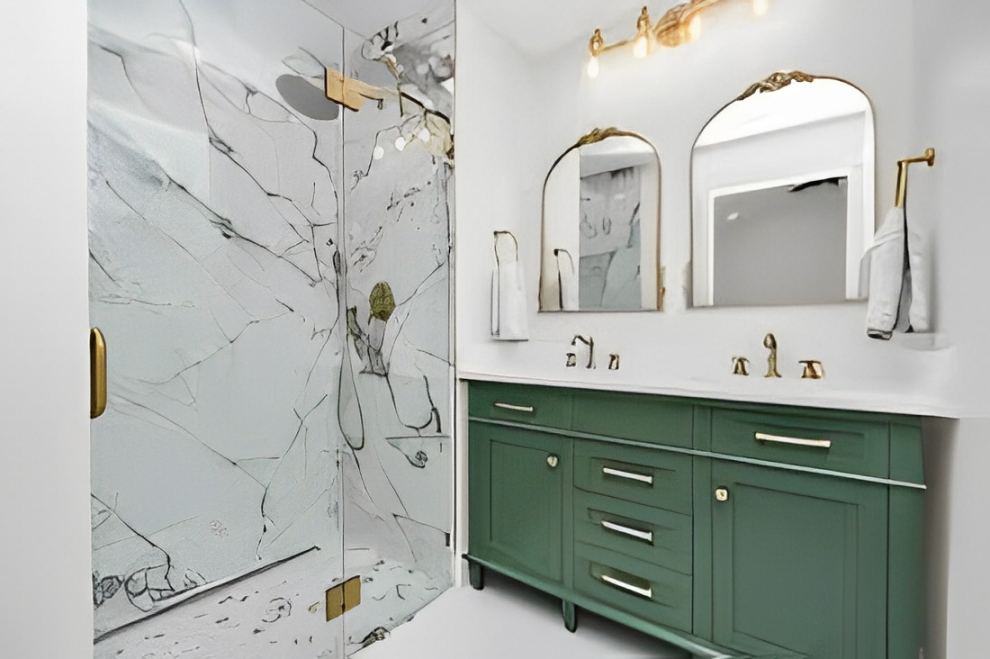
Hiring bathroom remodelers near me guarantees expertise but comes with a hefty price tag—often $20,000 or more. A DIY bathroom remodel lets you save significantly while learning new skills. With online tutorials, community forums, and this guide, you have the resources to succeed. Plus, the pride of transforming your space is priceless.
Final Thoughts
A DIY bathroom remodel is a rewarding project that can transform your home. Whether you’re focusing on a small bathroom renovation, a bathroom shower remodel, or a complete bathroom replacement, careful planning and execution are key. By following these steps, you’ll create a stunning, functional bathroom that reflects your style. Ready to start your bath renovation? Grab your tools, unleash your creativity, and turn your bathroom into a personal oasis.