
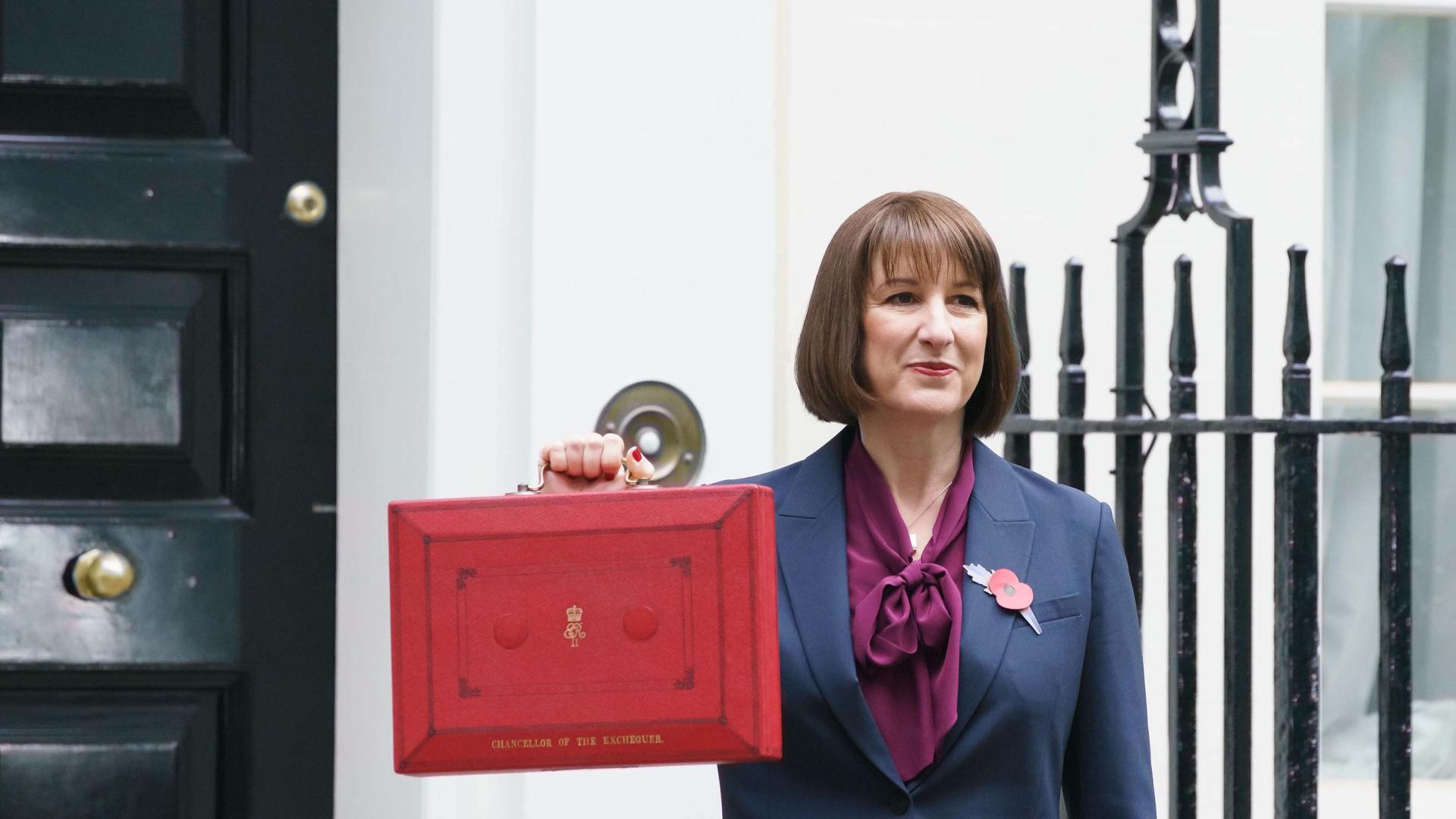
The Autumn Budget 2025 just dropped, and if you’re like me, you’ve probably been scrolling through headlines trying to figure out what it all actually means. My inbox has been flooded with questions: “Should I be worried?” “What does this mean for my savings?” “Are my bills going up again?”
Here’s the thing: budget announcements can feel like they’re written in another language. But this one affects all of us, whether you’re a student mapping out your future, a young professional saving for a house, a parent juggling household expenses, or planning your retirement.
So let’s cut through the jargon and have a real conversation about what this budget actually means for people like you and me. No boring economics lecture, just honest talk about the money in our pockets and the lives we’re trying to build.
The Big Picture: What’s Really Going On Here?
The government is calling this a “budget for growth and stability.” Nice soundbite, right? But let me give you the real translation: they’re trying to juggle a lot of competing priorities while keeping everyone reasonably happy. Spoiler alert: that’s nearly impossible.
The main themes running through this budget are economic recovery, cost of living support, infrastructure investment, and, yes, tax adjustments. (Don’t panic about that last one just yet; we’ll break it down.)
What actually struck me most about this budget is that it feels like the government is finally acknowledging what we’ve all been living through. Life has gotten expensive. Energy bills, groceries, rent, petrol, everything costs more than it did even a year ago. And this budget is attempting to address that reality head-on.
Is it enough? Well, that’s the billion-pound question we’re all asking.
The Good Stuff: What’s Actually Helping Us
Let’s start with the positives, because honestly, we could all use some good news.
Income Tax Adjustments
The personal allowance threshold is getting a slight increase. In plain English? The amount of money you can earn before paying income tax is going up a bit.
For someone earning around the average UK salary, this might mean an extra £20-30 in your pocket each month. Is it life-changing? Not exactly. But it’s better than watching that threshold freeze while everything else gets more expensive.
Energy Bill Support
This one actually made me breathe a sigh of relief, continued support for energy bills, especially for pensioners and low-income households.
Last winter, I watched my elderly neighbor make impossible choices between heating her home and buying groceries. That shouldn’t happen in 2025. So, seeing the government extend and even expand some of these support schemes? That genuinely matters.
The energy price cap adjustments and targeted support payments aren’t solving the fundamental energy crisis, but they’re keeping people’s lights on and homes warm. Sometimes that’s what matters most.
NHS Funding Boost
The NHS is getting a significant funding injection, and before you roll your eyes and say “they promise this every year,” the amount this time is actually substantial.
They’re specifically targeting:
- GP services and reducing appointment waiting times
- Mental health support (which, let’s be honest, we desperately need)
- Surgical waiting lists
- Community health services
Will it solve everything overnight? Of course not. The NHS’s problems run deep. But as someone who’s waited months for what should be a routine appointment, I’m cautiously optimistic. Money alone won’t fix systemic issues, but it’s a necessary starting point.
Small Business Support
If you’re running a small business or thinking about starting one, there’s actually some decent news here.
The business rate relief threshold is increasing, meaning smaller businesses will pay less in property taxes. For many independent shops, cafes, and local businesses, this could be the difference between staying open and closing up.
There are also new grants available for businesses investing in green technology and sustainable practices. If you’ve been thinking about making your business more environmentally friendly, there might be financial help to make it happen.
The Not-So-Great Stuff: Reality Check Time
Now let’s talk about the parts that aren’t so exciting. Because budgets are always about trade-offs, money has to come from somewhere.
VAT Changes
Certain items are seeing VAT increases, particularly luxury goods and specific services. The government’s argument is straightforward: this targets those who can afford to pay more.
But here’s my concern – and I’m being completely honest here, where exactly do we draw the line between “luxury” and “regular life”? These definitions can get blurry, and sometimes what the government considers a luxury feels pretty essential to the rest of us.
Fuel Duty Increases
Petrol and diesel duty is going up. Not dramatically, but enough that you’ll definitely notice it at the pump.
For those of us who commute by car, especially if you live outside cities where public transport is limited or non-existent, this is going to sting. I understand the logic: encourage greener transport, reduce emissions, push people toward electric vehicles.
But the reality? Not everyone can afford an electric car right now. The infrastructure isn’t there yet in many areas. For lots of people, driving isn’t a luxury choice; it’s how they get to work, drop kids at school, and handle daily life.
National Insurance Contributions
Higher earners will see National Insurance contributions increase slightly. If you’re earning above a certain threshold, more money will be leaving your paycheck.
The principle is about fairness: those who earn more should contribute more to support public services. I get that argument. But if you’re in that bracket, it’s still not fun watching your take-home pay decrease, especially when you’re likely already paying a hefty amount in taxes.
The Housing Situation: Still Complicated
Let’s address the elephant in the room: housing. This is where I have seriously mixed feelings.
On one hand, there’s investment in building more affordable homes. Great! First-time buyer stamp duty thresholds are being adjusted. Also great! There are incentives for developers to build on brownfield sites. Wonderful!
On the other hand, and this is a big “other hand”, is any of this enough to actually solve our housing crisis? Probably not.
I’ve been trying to save for a house deposit for years now. And it feels like for every step forward I take, the market moves two steps ahead. This budget helps a bit around the edges, but it’s not the game-changer many of us desperately need.
What I do find interesting: they’re cracking down on empty properties and short-term holiday lets in certain areas. This addresses the real issue of homes being taken off the long-term rental market for Airbnb conversions, and investment properties sitting empty while people struggle to find places to live.
Will it make a massive difference? Time will tell. But at least the problem is being acknowledged.
Education and Skills: Investing in the Future
Here’s something I’m genuinely excited about: increased funding for apprenticeships and vocational training.
Not everyone wants or needs to go to university, and that’s completely okay. We need skilled tradespeople, technicians, engineers, and specialists across dozens of fields. This budget recognizes that reality and puts actual money behind it.
There’s also expanded support for adult education and retraining programs. In a world where careers change direction, entire industries evolve, and AI is transforming how we work, being able to learn new skills isn’t just nice to have; it’s essential.
Student maintenance loans are getting a modest increase, too. It’s not huge, but for students struggling with rising living costs, every bit genuinely helps.
What This Means for Different Life Situations
Let me break this down based on where you might be in life right now:
If you’re a student, You’ll see slightly more maintenance support, better job prospects with apprenticeship expansion, and more options for vocational training. But living costs are still high, and the support increases don’t fully match inflation.
If you’re a young professional, Small tax relief helps your monthly budget a bit. There are opportunities for upskilling and career development. But housing remains frustratingly expensive, and if you drive to work, fuel costs are going up.
If you’re a parent, Some childcare support continues (though many argue it should be more generous). NHS funding might mean better healthcare access for your kids. But overall household costs remain high, and school-age support is limited.
If you’re approaching or in retirement, Energy support continues, which is crucial. NHS funding is good news for healthcare access. State pension allowances are maintained. But if you have savings, you’re watching interest rates and tax implications carefully.
If you’re self-employed or a small business owner, it’s a mixed bag. Business rate relief helps. There are grants available for certain investments. But National Insurance changes might affect your bottom line, and you’re juggling all the same cost increases as everyone else.
My Honest Take on This Budget
So what’s my genuine, unfiltered response to Autumn Budget 2025?
It’s… okay. Not amazing, not terrible. Just okay.
The government is clearly trying to balance economic growth with supporting people through genuinely difficult times. Some measures are helpful. Others feel like band-aids on much bigger wounds.
What I appreciate: Real issues aren’t being ignored. Cost of living pressures, NHS waiting times, housing shortages, and the need for skills training – these problems are being acknowledged with actual policy responses.
What frustrates me: The solutions often feel incremental when perhaps we need something bolder. The housing crisis, for example, needs transformation, not just tweaks around the edges. Energy costs need fundamental solutions, not just support payments that paper over systemic problems.
But here’s what I keep reminding myself: budgets aren’t magic. They can’t fix everything overnight. They’re about making choices with limited resources, and those choices will always disappoint some people while helping others.
The question isn’t whether this is a perfect budget – no budget ever is. The question is whether it moves things in the right direction, even if not as far or as fast as we’d like.
What You Should Actually Do With This Information
Knowing about the budget is one thing. Making it work for you is another. Here’s what I’d suggest:
Check your specific situation. Look at how these changes affect your income bracket, your expenses, your circumstances. The government website has calculators that can show you the actual impact on your finances.
Don’t leave money on the table. If there are support schemes, grants, or relief programs mentioned that apply to you – whether it’s energy support, business grants, education funding, or tax allowances – look into them. Find out what you’re eligible for and how to claim it.
Adjust your financial planning accordingly. If fuel duty is increasing, maybe explore carpooling or checking if your employer offers flexible working. If there are tax changes affecting you, consider talking to an accountant about optimizing your situation legally.
Stay informed as details emerge. Budgets are just the announcement. The implementation details – the actual regulations, the application processes, the eligibility criteria – those matter just as much. Keep an eye on how these policies actually roll out over the coming months.
Have your say. If you think something in this budget is particularly good or particularly problematic, tell your MP. Budget consultations happen, and public feedback does actually influence policy adjustments.
Final Thoughts: Where Do We Go From Here?
Look, I know budgets can feel overwhelming and sometimes completely disconnected from the reality of daily life. But they matter. They affect our jobs, our bills, our healthcare, our homes – all the stuff that makes up our actual lives.
This Autumn Budget 2025 isn’t perfect. It’s a mixed bag of helpful measures, frustrating compromises, and “we’ll see how this works out” policies. Some wins, some disappointments, and a whole lot of details yet to be determined.
The government is trying to balance economic recovery with immediate cost-of-living support while also investing in long-term infrastructure and services. That’s an incredibly difficult balancing act, and reasonable people will disagree about whether they’ve got the balance right.
What matters now is how these policies are implemented, how they affect real people in real situations, and whether they actually deliver the improvements that have been promised.
I’m cautiously hopeful about some aspects – the NHS funding, the skills investment, the recognition that people are struggling. I’m skeptical about others – whether housing measures go far enough, whether tax changes are fair, and whether support schemes will reach the people who need them most.
But mostly, I’m committed to staying informed, understanding how this affects my life and the lives of people around me, and holding our government accountable for following through on what they’ve promised.
Because at the end of the day, budgets are about choices. About priorities. About what kind of society we want to build and who we want to support along the way.
What’s your take on the Autumn Budget 2025? What aspects affect you most? What would you have done differently? I’d genuinely love to hear your perspective in the comments below.
Understanding this stuff is the first step to making it work for you. And in uncertain economic times, being informed isn’t just empowering, it’s essential.