
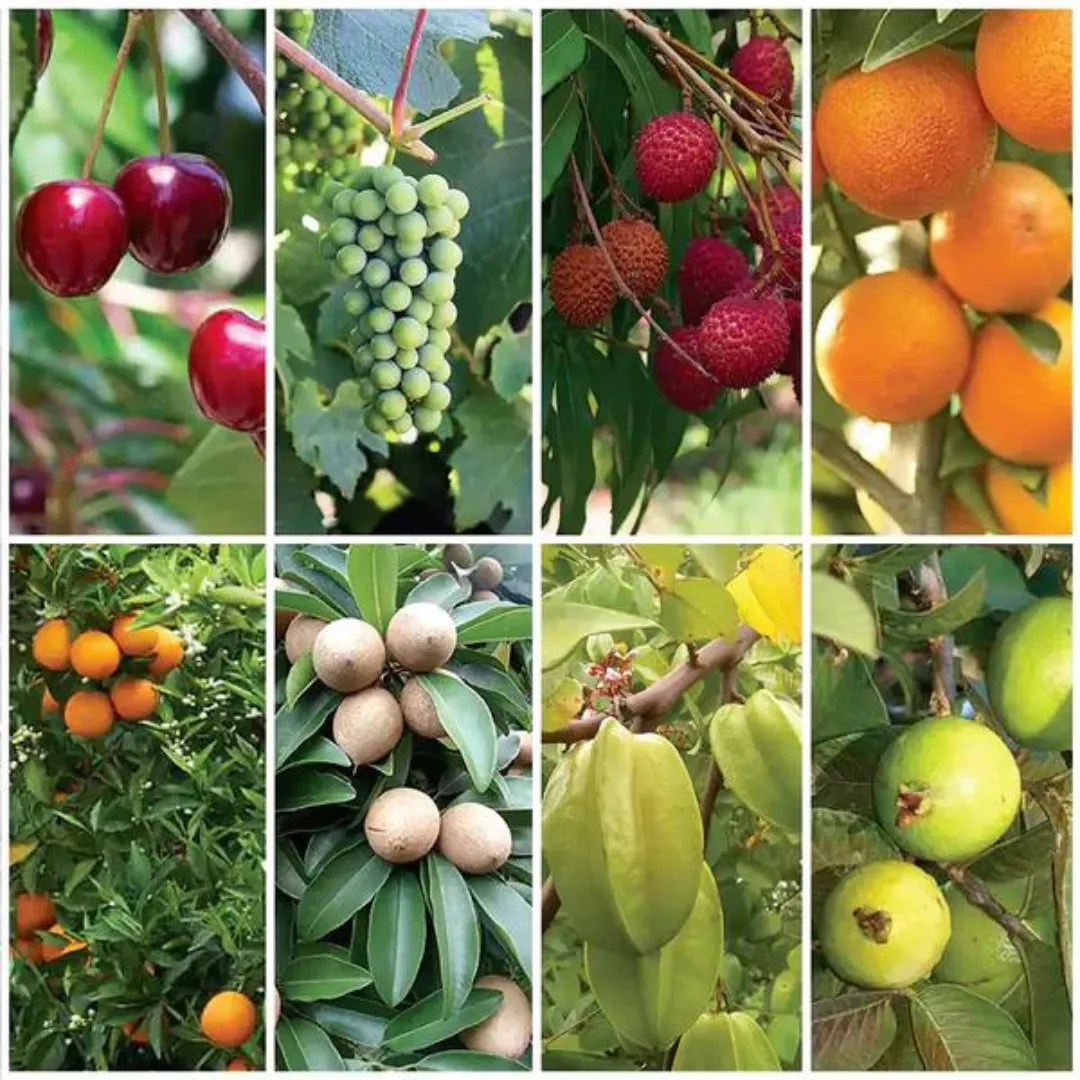
There’s nothing quite like stepping into your backyard on a sunny morning and plucking a perfectly ripe strawberry, still warm from the sun, or reaching up to pick a crisp apple from your own tree. The satisfaction of growing your own fruit goes beyond just the incredible taste – it’s about creating a sustainable, beautiful, and rewarding connection with nature right in your own space. Whether you have a sprawling suburban yard, a cozy urban patio, or even just a sunny windowsill, there’s a fruit plant waiting to transform your home into a productive oasis.
The dream of a home fruit garden isn’t as distant as you might think. With the right knowledge about which plants thrive in your conditions and where to source quality specimens, you can start harvesting homegrown fruit sooner than you ever imagined. Let’s explore the wonderful world of fruit plants and discover how to bring them into your life.
Tree Fruits: The Backbone of Your Home Orchard

Apple Trees are perhaps the most iconic fruit trees, and for good reason. Modern dwarf varieties make them perfect for home gardens, producing full-sized fruit on trees that stay manageable at 6-8 feet tall. You can find apple trees at virtually any garden center, but for the best variety selection, consider specialty nurseries like Stark Bros or local agricultural extension offices. Look for disease-resistant varieties like Honeycrisp, Gala, or Fuji that suit your climate zone.
Citrus Trees bring a touch of the Mediterranean to your home, and many varieties thrive in containers, making them perfect for patios or even indoor growing in colder climates. Meyer lemons are particularly popular for home growers because of their sweet, thin-skinned fruit and compact size. You can order citrus trees online from specialized growers like Four Winds Growers, or find them at better garden centers, especially in spring.
Stone Fruits like peaches, plums, and cherries create stunning spring displays with their blossoms before rewarding you with juicy summer treats. Dwarf peach trees like ‘Bonfire’ or ‘Red Baron’ work beautifully in containers and can be found at most quality nurseries. For cherries, sweet varieties like ‘Stella’ are self-pollinating, making them ideal for home gardens where space for multiple trees is limited.
Fig Trees are surprisingly hardy and productive, with many varieties surviving in zones as cold as 6 with winter protection. The ‘Chicago Hardy’ fig is particularly reliable and can be found through online retailers like Nature Hills Nursery or local fruit tree specialists.
Berry Bushes: Quick Rewards for Patient Gardeners
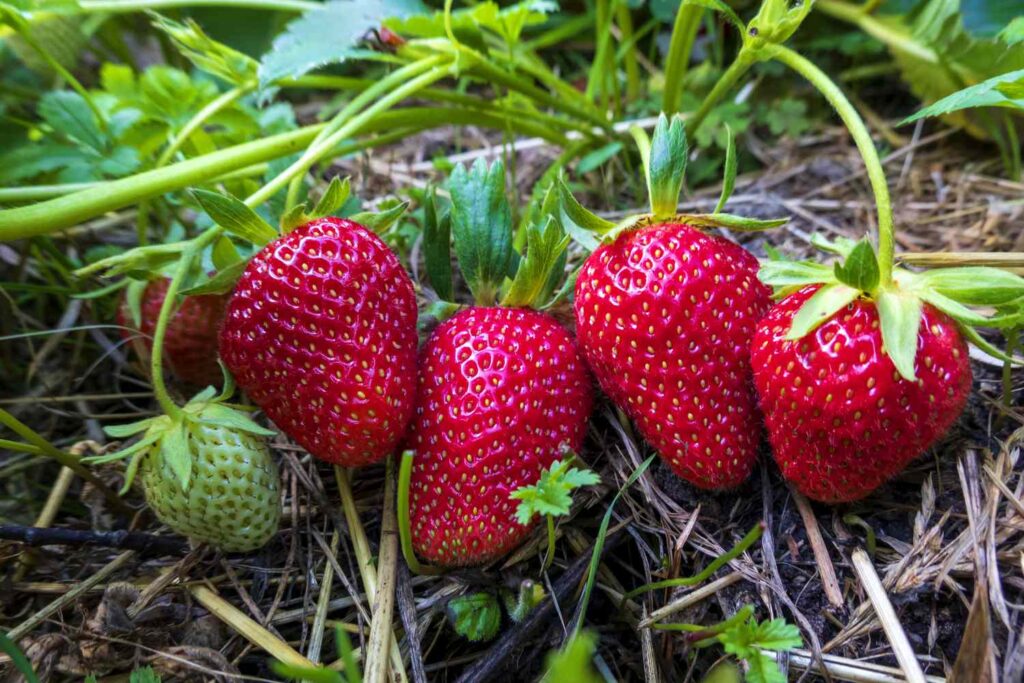
Strawberries are the gateway drug to fruit gardening – easy to grow, quick to produce, and absolutely delicious when homegrown. June-bearing varieties give you one large crop per season, while day-neutral types produce smaller amounts throughout the growing season. You can start strawberry plants from local garden centers in spring, or order bare-root plants online from companies like Nourse Farms for the best variety selection.
Blueberry Bushes are not just fruit producers but stunning landscape plants with white spring flowers, summer berries, and brilliant fall color. They require acidic soil, so if your garden doesn’t naturally provide this, consider container growing with an acid-loving plant mix. High-bush varieties like ‘Bluecrop’ or ‘Duke’ are reliable choices available at most nurseries, while low-bush varieties work well for ground cover in suitable climates.
Raspberry and Blackberry Canes might look intimidating with their thorns, but thornless varieties like ‘Triple Crown’ blackberries make harvesting a pleasure. These plants multiply naturally, so starting with a few canes from a reputable supplier like Gurney’s or your local agricultural extension can quickly expand into a productive patch.
Grape Vines transform ordinary fences or arbors into productive focal points. Table grapes like ‘Himrod’ or wine grapes like ‘Marquette’ can be found at specialized vine nurseries. Many successful grape growers start with virus-free certified plants from university extension programs, which often offer the healthiest stock.
Small Space Superstars
Dwarf and Patio Varieties have revolutionized home fruit growing. Genetic dwarf peaches stay under 6 feet tall, columnar apple trees grow up instead of out, and compact blueberry varieties work perfectly in containers. Companies like Burpee and Johnny’s Seeds specialize in space-saving varieties perfect for urban gardeners.
Berry Bushes in Containers open up fruit-growing possibilities even for apartment dwellers. A large container (at least 20 gallons) can support a dwarf fruit tree or berry bush on a sunny balcony. The key is choosing the right container size and ensuring proper drainage and regular feeding.
Unusual and Exotic Options
Hardy Kiwi vines produce grape-sized, smooth-skinned kiwi fruits that are much more cold-tolerant than their fuzzy grocery store cousins. These vigorous vines need strong support and both male and female plants for fruiting. Specialty nurseries like Edible Landscaping or Raintree Nursery carry hardy kiwi varieties.
Elderberries have gained popularity for their immune-boosting properties and beautiful flowers. The American elderberry ‘York’ and ‘Nova’ varieties are specifically selected for fruit production and can be found through native plant nurseries or online retailers.
Gooseberries and Currants were once common in American gardens but fell out of favor due to disease concerns. Modern disease-resistant varieties like ‘Pixwell’ gooseberries are making a comeback and can be found through specialty berry suppliers.
Where to Source Your Plants
Local Nurseries and Garden Centers offer the advantage of plants already acclimated to your local climate. Staff can provide valuable regional growing advice, and you can inspect plants before purchasing. Spring is typically when the best selection arrives, so plan ahead and even pre-order unusual varieties.
Online Nurseries provide access to varieties you’ll never find locally. Reputable suppliers like Stark Bros, Gurney’s, and Jung Quality Seeds offer detailed descriptions, growing guides, and often guarantee their plants. Order early in the season for the best selection and spring planting.
Agricultural Extension Offices often sell fruit plants as fundraisers, typically offering varieties tested and recommended for your specific region. These sales usually happen once a year and feature excellent prices on quality, locally-adapted plants.
Fruit Tree Specialists focus exclusively on edible plants and typically offer the widest variety selection. Companies like Dave Wilson Nursery (wholesale to retailers) or Edible Landscaping (direct to consumer) provide expertise and unusual varieties you won’t find elsewhere.
Local Fruit Growers sometimes sell plants or can direct you to their suppliers. Visiting local orchards or farmers’ markets can connect you with growers who understand your local conditions and can recommend the best varieties for your specific microclimate.
Starting Your Fruit Garden Journey
Begin with Your Favorites – there’s no point growing fruit you don’t enjoy eating. Make a list of fruits your family loves and research which varieties grow well in your climate zone. Your local extension office can provide a list of recommended varieties for your area.
Consider Your Space and Timeline – tree fruits require patience, often taking 2-3 years to establish and begin producing significant crops. If you want quicker gratification, start with strawberries or berry bushes that can produce fruit in their first or second year.
Plan for Success – successful fruit growing requires understanding your soil, sunlight patterns, and local climate challenges. Most fruits need at least 6-8 hours of direct sunlight and well-draining soil. Consider starting with raised beds or containers if your native soil has drainage issues.
Think About Maintenance – different fruits have different care requirements. Grapes and berry bushes need annual pruning, while strawberries benefit from renovation every few years. Choose plants that match your available time and interest in garden maintenance.
Seasonal Planning and Care
Spring is planting season for most fruit plants. Bare-root plants should be planted as soon as the ground can be worked, while container plants can wait until after the last frost. This is also when you’ll apply pre-emergent weed control and begin regular feeding schedules.
Summer means harvest time for many berry crops and summer-bearing fruits. It’s also when you’ll need to stay on top of watering, especially for container plants, and watch for pest issues that might require intervention.
Fall is ideal for planting container-grown fruit plants in many climates, as autumn planting allows roots to establish before winter dormancy. It’s also time for fall fertilizing and preparing plants for winter protection if needed.
Winter is planning season – studying catalogs, researching new varieties, and preparing for the next growing season. In colder climates, this might involve protecting tender plants or bringing containers into protected areas.
Building Your Fruit-Growing Community
Join local gardening groups or fruit-growing societies to connect with experienced growers in your area. These communities often organize plant swaps, bulk purchasing opportunities, and share valuable local growing knowledge.
Document your journey by keeping a garden journal, noting what you plant, when you plant it, and how well different varieties perform in your specific conditions. This information becomes invaluable for future planning and helps you make better variety choices.
Share the abundance – successful fruit gardens often produce more than one family can consume. Building relationships with neighbors, local food banks, or community organizations creates goodwill and ensures your harvest doesn’t go to waste.
The journey from dreaming about fresh homegrown fruit to actually harvesting it from your own plants is one of gardening’s most rewarding experiences. Start small, choose varieties you love, and don’t be discouraged by initial challenges….every experienced fruit grower has stories of failures that led to future successes. With patience, the right plants, and consistent care, you’ll soon discover that the sweetest fruit isn’t found in any grocery store; it’s growing right outside your door.