
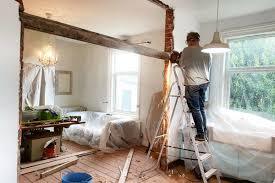
Living in a small space doesn’t mean you have to feel cramped. While many homeowners dream of knocking down walls or adding square footage, the truth is you can dramatically transform how spacious your home feels without any construction at all.
The secret lies in understanding how our eyes and minds perceive space. Through strategic design choices, clever furniture arrangements, and thoughtful styling, you can create the illusion of a much larger home, all without a sledgehammer or construction permit.
Let’s explore practical, budget-friendly ways to make every room in your home feel more open, airy, and spacious.
1. Embrace the Power of Paint
Paint is your most powerful and affordable tool for creating spaciousness.
Light colors reflect more natural light, making rooms feel airier and more expansive. White, cream, soft gray, and pale blue are classic choices that visually push walls back. But you don’t have to stick with stark white; warm whites and subtle neutrals can create the same expansive effect while adding character.
Here’s a professional trick: paint your walls and ceiling the same color. When there’s no visual break between wall and ceiling, the eye travels upward without interruption, making ceilings appear higher and rooms feel larger. This technique works especially well in rooms with low ceilings.
Consider painting your trim and doors the same color as your walls, too. Eliminating color contrast reduces visual clutter and creates a seamless, expansive appearance. This monochromatic approach is increasingly popular in modern interior design for exactly this reason.
2. Let There Be Light
Natural light is perhaps the single most effective way to make any space feel bigger.
Start by maximizing the light you already have. Remove heavy, dark curtains and replace them with sheer, lightweight panels or light-filtering blinds. If privacy isn’t a major concern, consider leaving windows completely bare during daylight hours. The more natural light that floods your space, the more open and expansive it will feel.
When window treatments are necessary, hang curtain rods as close to the ceiling as possible and let panels extend to the floor. This vertical line draws the eye upward, creating the illusion of taller ceilings and larger windows.
For artificial lighting, layer your sources. Combine overhead lighting with table lamps, floor lamps, and even LED strips behind furniture or under cabinets. Well-lit rooms with light coming from multiple sources feel more open because there are no dark, closed-in corners. Dimly lit spaces always feel smaller and more confined.
3. Strategic Mirror Placement
Mirrors are interior designers’ secret weapon for creating spaciousness.
A well-placed mirror essentially doubles your visual space by reflecting the room back on itself. The key is positioning mirrors across from windows or light sources so they bounce natural light throughout the space. This amplifies brightness while creating depth.
Large mirrors make the biggest impact. A floor-to-ceiling mirror or an oversized wall mirror can transform a cramped room into one that feels genuinely spacious. Leaning a tall mirror against a wall creates a casual, contemporary look while maximizing the space-expanding effect.
Consider mirrored furniture or décor elements like mirrored cabinet doors, mirrored backsplashes in kitchens, or furniture with glass tops. These reflective surfaces continue the illusion of expanded space without overwhelming your design.
One important note: avoid placing mirrors directly across from clutter or unattractive views, as this will simply double the visual chaos.
4. Choose Furniture Wisely
The furniture you choose and how you arrange it can make or break the spacious feeling you’re trying to achieve.
Scale matters tremendously. Many people make the mistake of thinking small spaces require small furniture, but this actually creates a cluttered, cramped appearance. Instead, choose fewer pieces of appropriately-scaled furniture. One substantial sofa looks better and takes up less visual space than a sofa plus two armchairs plus an ottoman.
Opt for furniture with exposed legs rather than pieces that sit directly on the floor. When you can see underneath and through furniture, more floor space is visible, which tricks the eye into perceiving more square footage. A sofa on tapered legs feels lighter and less imposing than a skirted sofa that extends to the floor.
Furniture with glass, lucite, or acrylic elements also helps maintain an open feeling. A glass coffee table, clear acrylic chairs, or a console table with a glass top allows light to pass through and doesn’t create visual barriers the way solid wood furniture does.
Multi-functional furniture is essential in smaller homes. An ottoman with storage, a coffee table that lifts to dining height, or a sofa bed allows you to have the functionality you need without sacrificing precious space to single-purpose pieces.
5. Declutter and Simplify
This might be the most important tip of all: you cannot make a cluttered space feel larger, no matter how many design tricks you employ.
Visual clutter makes rooms feel chaotic and cramped. Take an honest look at your surfaces, countertops, coffee tables, shelves, and console tables. Remove everything that isn’t absolutely necessary or deeply meaningful. The more surfaces you can see, the larger your space appears.
This doesn’t mean your home should feel sterile or impersonal. It means being intentional about what you display. Group smaller decorative items together in clusters rather than scattering them throughout a room. This creates visual breathing room between groupings.
Invest in smart storage solutions that keep items out of sight. Floating shelves, wall-mounted cabinets, storage ottomans, and under-bed storage all help you maintain the functionality you need while keeping clutter hidden. When everything has a designated home, maintaining a spacious feeling becomes effortless.
6. Create Vertical Interest
Drawing the eye upward makes ceilings feel higher and rooms feel larger.
Use vertical design elements wherever possible. Tall bookshelves that extend to the ceiling, floor-to-ceiling curtains, vertical striped wallpaper or artwork, and tall plants all encourage the eye to travel upward rather than focusing on the limited floor space.
Hang artwork higher than you think you should. The center of artwork should be at eye level, which is typically 57 to 60 inches from the floor. This placement naturally draws attention upward and makes walls appear taller.
Consider adding picture rails or a gallery wall that extends high on the wall. Even if you have lower ceilings, this vertical arrangement creates the illusion of greater height.
7. Use Consistent Flooring
If you have the opportunity to update flooring, using the same material throughout your home creates visual continuity that makes the entire space feel larger.
When flooring flows seamlessly from room to room without transitions or breaks, the eye isn’t stopped by borders. This uninterrupted visual line makes your home feel more expansive and cohesive.
If replacing flooring isn’t in your budget, you can achieve a similar effect with rugs. Use large area rugs in similar or complementary colors throughout your home rather than small, mismatched accent rugs. Larger rugs that extend well under furniture make rooms appear bigger by creating unified zones.
When choosing rugs, opt for solid colors or subtle patterns rather than busy designs. Visual simplicity on the floor keeps the space feeling open and calm.
8. Define Zones Without Walls
In open-concept spaces or studio apartments, creating distinct areas without physical walls helps maintain flow while providing functional separation.
Use furniture arrangement to define zones. A sofa placed perpendicular to a wall rather than against it can separate a living area from a dining space without blocking sightlines or light. A bookshelf used as a room divider provides storage while creating definition between spaces.
Area rugs are another excellent tool for zone definition. Different rugs under your dining table and in your living area visually separate the spaces while maintaining the open flow that makes the overall area feel larger.
Lighting can also define zones. Different lighting schemes for different areas, a pendant light over the dining table, task lighting in a home office corner, ambient lighting in the living space, create functional separation without physical barriers.
9. Embrace Minimalist Window Treatments
We touched on this earlier, but it deserves its own emphasis: heavy window treatments make rooms feel smaller and darker.
If you need window coverings for privacy or light control, choose simple, streamlined options. Roller shades, Roman shades in light fabrics, or simple panel curtains in neutral colors provide functionality without visual weight.
Avoid valances, swags, multiple layers, or ornate drapery hardware. These traditional treatments add visual complexity and bulk that makes windows, and by extension, rooms, feel smaller. Clean, minimal window treatments maintain the open, airy feeling you’re working to create.
10. Keep It Cohesive
Visual cohesion throughout your home makes the entire space feel more expansive and intentional.
Stick to a consistent color palette throughout your home. This doesn’t mean everything should be the same color, but colors should flow harmoniously from room to room. When the eye isn’t interrupted by jarring color changes, spaces feel connected and larger.
Repeat design elements throughout your home. If you have brass hardware in your kitchen, incorporate brass accents in other rooms. If you use a particular wood tone in your living room, echo it elsewhere. These subtle repetitions create visual rhythm and unity that make your home feel more spacious and well-designed.
Consistency in style also matters. Mixing too many design styles, farmhouse with mid-century modern, traditional with industrial, creates visual fragmentation. Choose one or two complementary styles and stick with them for a cohesive, spacious-feeling home.
The Bottom Line
Making your home feel bigger doesn’t require construction, major renovation, or even a significant budget. It requires understanding how design elements affect our perception of space and being intentional about your choices.
Start with paint and lighting; these provide the foundation for a spacious feeling. Add mirrors strategically. Choose furniture that’s appropriately scaled and doesn’t block light or sightlines. Ruthlessly declutter and simplify. Draw the eye upward with vertical elements. Maintain visual cohesion throughout your home.
You don’t need to implement every single tip at once. Even incorporating a few of these strategies will make a noticeable difference in how spacious your home feels. The key is being thoughtful and intentional about every element you bring into your space.
Your home’s square footage isn’t changing, but your experience of living in it absolutely can. With smart design choices, even the smallest apartment can feel open, airy, and surprisingly spacious, no sledgehammer required.