
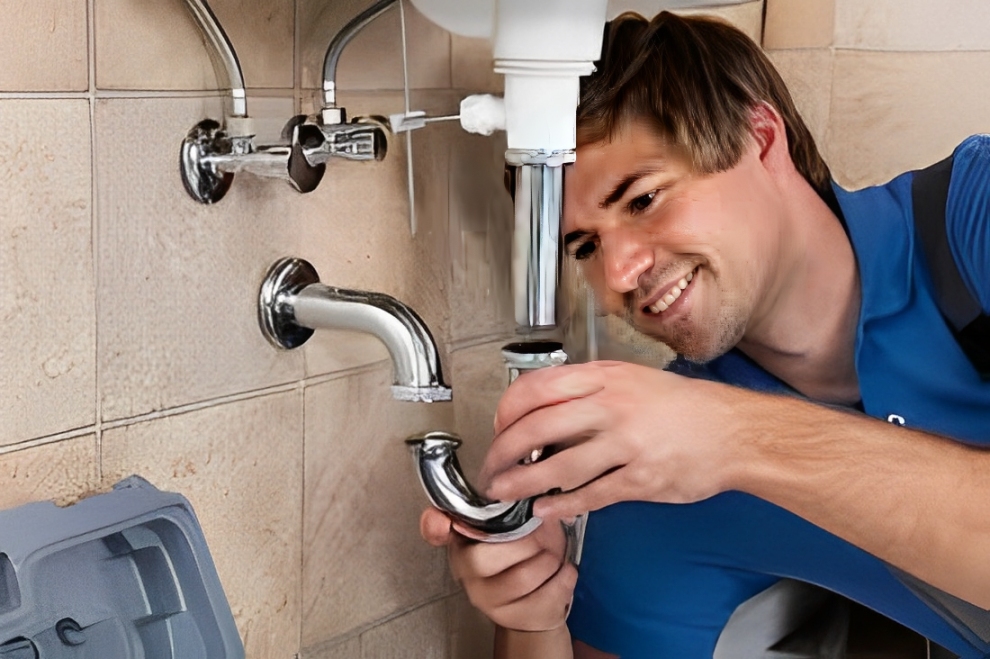
Plumbing may seem like a skill best left to professionals, but when it comes to minor issues in your home, a little DIY know-how can go a long way. With rising service costs and longer wait times for plumber appointments, homeowners are increasingly turning to do-it-yourself solutions. And when it comes to basic drain plumbing, there’s plenty you can manage safely, efficiently, and affordably on your own.
From unclogging a shower drain to learning preventive care, this guide will walk you through practical DIY drain tips that not only save money but also build your confidence as a homeowner.
Understanding Your Drainage System
Before you reach for your toolbox, it’s important to understand how your home’s drainage system works. Your drain plumbing is responsible for carrying wastewater from your sinks, showers, and toilets to the main sewer line or septic tank. It relies on a combination of gravity, venting, and proper installation to function smoothly.
The three main components of a drain system include:
- Drainpipes: These sloped pipes allow water and waste to flow away from your fixtures.
- Traps (P-traps or S-traps): These U-shaped pipes under your sinks hold a small amount of water to block sewer gases from entering your home.
- Vent Pipes: These vertical pipes regulate air pressure and allow waste to flow without creating vacuum locks.
Understanding how these parts work together helps you identify issues and solve them effectively.
You can read this blog :- https://tidyuphome.com/cleaning-house/
Common Drain Issues You Can Fix Yourself
Not all drain plumbing problems require a licensed expert. Some of the most common drain issues can be easily tackled with simple tools and a bit of patience.
1. Slow Drainage
A slow-draining sink or tub is often caused by soap scum, hair, or grease buildup. Try a vinegar-and-baking-soda flush before moving to mechanical solutions like a snake or plunger.
2. Foul Odors
If your bathroom or kitchen smells unpleasant, it may be due to decaying matter stuck in the pipes or a dry trap. Running water through all fixtures weekly can help prevent this, and using enzymatic drain cleaners can restore freshness.
3. Gurgling Sounds
Gurgling indicates a blocked vent or a partially clogged line. You may need to inspect the trap or vent pipe for obstructions or try plunging the fixture to clear airlocks.
These issues are minor but persistent. Tackling them early helps prevent bigger, costlier problems down the road.
Essential Tools for DIY Drain Plumbing
You don’t need an entire plumber’s truck to handle minor repairs. A few essentials will take care of most drain tasks:
- Plunger: Ideal for clearing blockages in toilets and sinks.
- Drain Snake/Auger: Excellent for dislodging hair or gunk from deeper in the drain.
- Adjustable Wrench: For tightening or loosening trap connections.
- Bucket: Useful when working under sinks to catch spills.
- Rubber Gloves and Goggles: Always protect yourself from germs and splashes.
Most of these tools cost less than a drain plumbing visit and can be used again and again.
Step-by-Step: How to Unclog a Sink or Shower
If your water is pooling instead of draining, don’t panic, just follow these steps:
1. Start Simple
Pour boiling water (only for metal pipes) to soften grease or soap buildup. For PVC pipes, use hot, but not boiling water to avoid melting or warping the plastic.
2. DIY Cleaning Solution
Pour ½ cup of baking soda followed by ½ cup of vinegar down the drain. Let it sit for 15–20 minutes. The fizzing reaction helps break down debris. Rinse with hot water afterward.
3. Use a Plunger
Cover the overflow hole with a rag, then use a plunger to create suction and dislodge clogs. Use steady, strong pushes.
4. Snake the Drain
Insert a drain snake carefully and twist it to grab hair or other gunk. Pull it out slowly and rinse the line thoroughly.
5. Clean the Trap
If clogs persist, place a bucket under the sink, unscrew the trap, and clean it manually. Replace and check for leaks after reassembly.
Avoid overusing chemical cleaners; they’re harsh, can damage your pipes, and aren’t eco-friendly.
Preventive Maintenance Tips
Prevention is the best form of protection for your home’s drainage system. Here’s a simple maintenance plan:
Weekly
- Run hot water through sinks to flush the buildup.
- Add a few drops of dish soap to cut grease in kitchen drain plumbing.
Monthly
- Clean traps under sinks and pour a vinegar + baking soda mixture.
- Inspect sink and tub strainers for hair or debris.
Seasonally
- Inspect all visible plumbing for leaks.
- Check that outdoor drains and gutter systems are clear.
For kitchens:
- Avoid pouring oil, grease, or food scraps down the drain.
- Use a strainer to catch particles.
For bathrooms:
- Brush your hair before showering.
- Use drain screens to trap hair and prevent blockages.
Over time, these habits will keep your drain plumbing in top shape with minimal intervention.
Money-Saving Benefits of DIY Drain Plumbing
The financial benefits of DIY drain plumbing can be significant:
- Basic plumber visit: ₹500–₹2,000
- Drain snake: ₹300–₹800 (one-time purchase)
- Plunger: ₹200–₹400
Even a single successful DIY job can pay for the tools used, and you’ll continue saving with each future fix. Over a year, you could easily avoid thousands of rupees in service calls, especially if your home is prone to recurring clogs or slow drains.
You also save time: no waiting for a technician, no scheduling around appointments, and no rushed decisions.
When Not to DIY
Knowing when to call in a professional is just as important as knowing when to roll up your sleeves. Call a plumber if:
- You detect sewage smells or water backing up into multiple fixtures.
- There’s leakage inside the walls or ceilings.
- You’ve tried basic fixes, but the issue persists or worsens.
- You see signs of mold, water damage, or pipe corrosion.
Making the wrong fix in these situations could cost you more in repairs, structural damage, or health risks. Always trust your instincts; if it feels like more than a simple clog, get help.
Final Thoughts
Mastering basic drain plumbing is empowering. With the right tools and a little know-how, you can handle common household issues without depending entirely on professionals. It’s not just about saving money, it’s about taking control of your home’s maintenance and building valuable skills. Start with simple tasks, be consistent with preventive care, and don’t be afraid to get your hands dirty. At the same time, know your limits. There’s no shame in calling a professional when the job demands it.Remember: a confident homeowner is a smart homeowner. With these DIY tips, your drain plumbing will run smoother, your wallet will stay fuller, and your weekends will be clog-free.