
Starting a new construction or renovation project can be both exciting and overwhelming. Whether you’re remodeling your kitchen, building a new home, or upgrading your office space, one thing remains constant: your contractor can make or break the entire experience.
A skilled, transparent, and trustworthy contractor ensures that your project runs smoothly, stays on budget, and finishes on time. But before you sign any agreement or hand over a deposit, you need to ask the right questions.
These 14 essential questions will help you get to know your contractor better, clarify expectations, and protect your investment from unnecessary surprises.
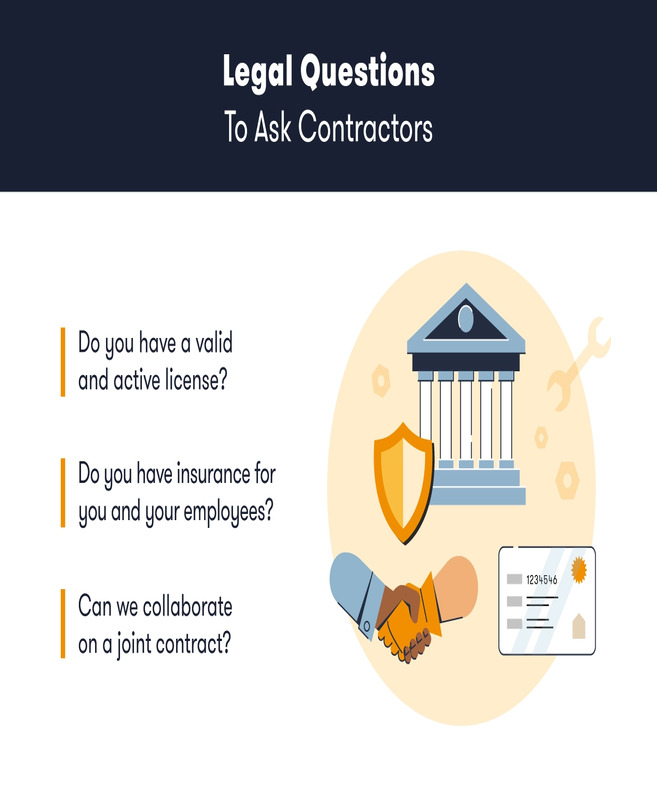
1. Are You Licensed, Bonded, and Insured?
This is the first and most crucial question to ask.
A licensed contractor means they’ve met the state’s requirements to perform construction work. Being bonded ensures that you’re financially protected if the contractor fails to complete the job or meet obligations. Insurance, especially general liability and workers’ compensation, protects both you and the contractor in case of property damage or injury.
If a contractor hesitates to show proof of these, it’s a red flag. Always ask for copies of licenses and insurance certificates before starting.
2. How Long Have You Been in Business?
Experience matters, especially in construction.
A contractor who has been in business for several years is likely to have handled a variety of challenges and knows how to navigate unexpected issues.
That doesn’t mean newer contractors are bad, but longevity often indicates reliability, stability, and a solid reputation. You can also ask how long they’ve been operating under their current business name; frequent name changes may signal past issues.
3. Can You Provide References or a Portfolio of Past Work?
A reputable contractor should have no problem sharing past client references or examples of completed projects.
Reviewing their portfolio helps you gauge their style, craftsmanship, and experience in projects similar to yours. Talking to previous clients gives you insights about punctuality, communication, and how well the contractor sticks to budgets and timelines.
If possible, visit one of their completed works in person; it’s the best way to assess quality.
4. Who Will Be Working on the Project?
Many contractors rely on subcontractors for specific tasks like electrical, plumbing, or flooring. It’s essential to know who will actually be doing the work in your home or property. Ask whether the same team will be there every day and whether the contractor will be on-site regularly. A good contractor manages their team effectively and ensures consistency in communication and quality.
You should also ask about background checks, safety protocols, and how they supervise subcontractors to maintain accountability.
5. What Is the Estimated Timeline?
One of the most common frustrations in construction projects is delays.
Ask your contractor for a realistic timeline, not just a rough guess. Discuss start and completion dates, potential delays due to weather, material shortages, or unforeseen circumstances, and how they plan to handle such setbacks.
A clear timeline should include project milestones, inspection points, and delivery schedules. The more detailed it is, the better you can track progress and manage expectations.
6. How Do You Handle Permits and Inspections?
Most construction or renovation projects require permits, especially for structural, electrical, or plumbing changes.
Ask if your contractor will handle all permits and coordinate with local authorities for inspections. A professional contractor will be familiar with local building codes and know how to ensure compliance.
If they expect you to obtain permits yourself, reconsider. That’s usually part of the contractor’s responsibility, and skipping this step can lead to costly penalties later.
7. What’s the Payment Schedule?
Never pay the entire cost up front; that’s one of the biggest mistakes homeowners make.
Ask for a detailed payment schedule that outlines when and how payments are due. Typically, contractors require a small deposit (10–20%) at the start, followed by progress payments tied to specific milestones.
Ensure the final payment is made only after all work is completed and inspected to your satisfaction. Having a clear payment plan protects both parties and ensures accountability throughout the project.
8. What’s Included in the Written Contract?
Always, always have a written contract.
Verbal agreements mean nothing if disputes arise later. The contract should clearly include:
- Scope of work
- Materials and products to be used
- Project timeline and milestones
- Payment schedule
- Change order process
- Warranty and liability clauses
Read every line carefully before signing. A trustworthy contractor will welcome your questions and walk you through the details.
9. How Do You Handle Unexpected Issues or Changes?
Even with the best planning, surprises happen, hidden water damage, foundation issues, or a sudden change in design preference.
Ask your contractor how they handle change orders. Will they inform you immediately? Provide written cost adjustments? Offer alternatives?
The best contractors communicate openly and document every modification. This prevents misunderstandings and keeps your budget under control.
10. What Kind of Warranty Do You Offer?
A warranty shows confidence in the quality of work.
Ask your contractor about warranties on both materials and labor. For example, if the paint starts peeling within six months or tiles come loose, will they fix it free of charge?
Get the warranty terms in writing, including duration and coverage. Good contractors typically offer at least a one-year workmanship warranty, but many go above and beyond.
11. How Do You Communicate During the Project?
Clear and consistent communication can make a huge difference in how smoothly a project runs.
Ask how often you’ll receive updates, daily, weekly, or at major milestones. Will communication happen via phone, email, or an app? Who will be your main point of contact on-site?
Contractors who value communication help you stay informed and reduce stress. Regular updates prevent small issues from becoming major problems.
12. What Safety Measures Do You Take On-Site?
Safety isn’t just for the workers; it’s for your family and property, too.
Ask your contractor about safety protocols, especially if you’ll be living in or near the work zone. How will they manage dust, debris, and hazardous materials? What steps do they take to prevent accidents?
Reputable contractors follow Occupational Safety and Health Administration (OSHA) guidelines and ensure that every worker is properly trained.
13. How Do You Manage Cleanup and Disposal?
Construction often creates a mess, from sawdust to leftover materials.
Before starting, clarify who is responsible for cleanup and disposal. A good contractor includes site cleanup in their bid and ensures the property is left in excellent condition when the project ends.
Also, ask about eco-friendly disposal options or recycling programs for construction waste, a sign of a responsible professional.
14. Can You Provide a Detailed Estimate?
Finally, make sure you have a clear understanding of the costs.
Ask for a detailed, itemized estimate that breaks down labor, materials, permits, and any potential additional fees. Avoid contractors who give vague or overly rounded numbers.
A detailed estimate helps prevent surprise expenses and allows you to compare bids from different contractors fairly. Remember, the cheapest bid isn’t always the best one. Look for transparency and value instead.
Bonus Tip: Trust Your Gut
Beyond all the paperwork and professional talk, trust your instincts.
If a contractor makes you feel uneasy, avoids questions, or pressures you to make quick decisions, take it as a warning sign. The right contractor will make you feel comfortable, respected, and informed from day one.
Why Asking the Right Questions Matters
Your contractor isn’t just a service provider; they’re a partner in bringing your vision to life. Every question you ask builds clarity, sets boundaries, and helps establish mutual trust. A clear understanding at the beginning can prevent conflicts later. It ensures that both you and your contractor are on the same page regarding expectations, timelines, and deliverables.
More importantly, these questions empower you as the homeowner or project owner. When you’re informed, you’re less likely to be taken advantage of and more likely to enjoy a smooth, successful construction journey.
Final Thoughts
Hiring the right contractor is one of the most important decisions you’ll make for any construction or renovation project. It’s not just about finding someone who can do the job; it’s about finding someone who communicates well, respects your budget, and stands by their work. By asking these 14 essential questions, you’re not just protecting your investment; you’re setting the foundation for a project built on trust, transparency, and quality craftsmanship.
Remember, a good contractor will never shy away from your questions. In fact, they’ll appreciate that you care enough to ensure everything runs smoothly.
So before you sign that contract or hand over a deposit, take the time to sit down, ask the tough questions, and make sure your contractor is the perfect fit.
Because in the world of construction, good communication isn’t just helpful, it’s the key to turning your dream project into reality.